Semaglutide for Hypothyroidism: When Thyroid Medication Isn't Enough
You're on levothyroxine. Your TSH is "normal." But you still can't lose weight. That's because hypothyroidism creates metabolic damage that persists even after thyroid levels normalize. Semaglutide addresses what thyroid medication can't.

Why Thyroid Medication Alone Often Fails for Weight Loss
Normalizing thyroid hormones doesn't automatically reverse the metabolic adaptations your body made.
Metabolic Set Point Shift
When hypothyroid, your body lowered its metabolic rate to conserve energy. Even after treatment, this lower set point often persists—you need fewer calories than someone who was never hypothyroid.
Muscle Loss
Untreated hypothyroidism causes muscle wasting. Less muscle means a slower metabolism. Thyroid medication doesn't rebuild this muscle—you need targeted intervention.
Appetite Dysregulation
Hypothyroidism affects leptin and ghrelin (hunger hormones). These imbalances can persist even with normalized thyroid levels, making appetite control difficult.
How Semaglutide Complements Thyroid Treatment
Think of it this way: thyroid medication fixes the hormonal cause, but semaglutide addresses the downstream consequences. These are two different problems requiring two different solutions.
Semaglutide works through GLP-1 receptors—a completely separate pathway from thyroid hormones. It reduces appetite directly through brain signaling, improves insulin sensitivity (often impaired in hypothyroidism), and helps your body process blood sugar more efficiently.
Thyroid treatment and weight-loss treatment address different clinical questions. Each is reviewed separately, and no combined outcome is guaranteed.
- Works through GLP-1 pathway (independent of thyroid)
- Reduces appetite that thyroid medication can't control
- Improves insulin sensitivity (often impaired with hypothyroidism)
- Medication timing and monitoring reviewed with the prescribing clinician
Beyond "Normal" TSH: Optimizing Your Treatment
A laboratory result should be interpreted in the context of symptoms, medical history, current treatment, reference ranges, and other possible causes of weight change.
At Highland Longevity, we look beyond TSH to understand your complete thyroid picture:
- Free T4 and Free T3 levels (the active hormones)
- Reverse T3 (which can block T3 action)
- Thyroid antibodies (for Hashimoto's assessment)
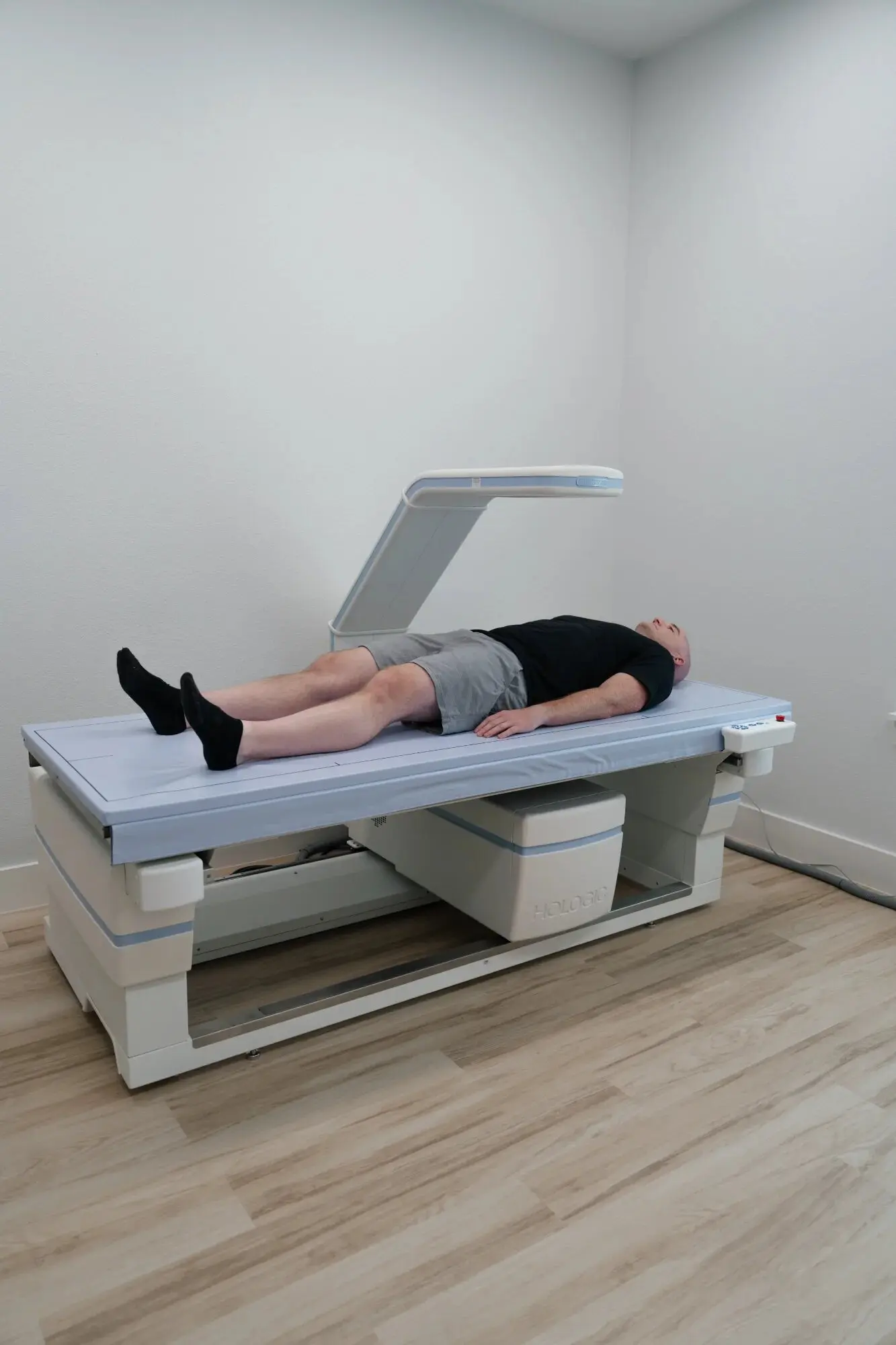
- Metabolic rate testing via RMR
- Body composition via DEXA scan
This comprehensive approach helps us understand whether your thyroid treatment is truly optimized—and how semaglutide can best support your weight loss goals.

Understanding the Thyroid-Weight Connection
"Weight concerns in a patient with hypothyroidism deserve a full clinical review. We examine thyroid care, medications, nutrition, sleep, measured energy needs, body-composition trends, contraindications, and patient goals before recommending treatment."
— Dr. Josh Lindsley, DO, DABOM
Semaglutide for Hypothyroidism FAQs
No. Highland discusses FDA-approved options first and limits compounding to documented patient-specific needs. We do not dispense Wegovy, Ozempic, or Rybelsus, which are brand-name semaglutide products manufactured by Novo Nordisk. Compounded semaglutide is prepared by a state-licensed compounding pharmacy under physician supervision. Compounded medications are not FDA-approved.
Yes. Medication suitability and timing must be individualized. Semaglutide can delay gastric emptying and may affect absorption of oral medications, including medicines that require clinical monitoring. Review thyroid medication, dosing instructions, and monitoring with the prescribing clinician.
Semaglutide is not a treatment for thyroid hormone deficiency. Thyroid symptoms and medication response require separate clinical evaluation and monitoring.
Persistent symptoms or weight concerns can have several causes even when a TSH result is within the laboratory reference range. The clinician reviews symptoms, current treatment, relevant laboratory results, other medications, sleep, nutrition, and additional causes before considering weight-loss treatment.
A thyroid-medication dose should change only after review by the prescribing clinician using symptoms, laboratory results, the specific medication, and the full clinical context. No weight threshold automatically requires a dose change.
Hashimoto's disease does not by itself determine candidacy. The clinician reviews the full medical history, contraindications, current medications, thyroid status, risks, reproductive plans, and monitoring needs before considering treatment.
Timing is individualized. The clinician reviews thyroid stability, symptoms, laboratory results, other medications, contraindications, risks, and goals before considering a separate weight-loss treatment.
Serving Fort Worth & Surrounding Communities
Our clinic is conveniently located in the Fort Worth Alliance area, just minutes from communities throughout the DFW metroplex.
Located at 4801 Golden Triangle Blvd Suite 121, Fort Worth, TX 76244
Ready to Address What Thyroid Medication Can't?
Book a free consultation to discuss how semaglutide can complement your thyroid treatment and finally help you lose the weight that thyroid medication alone hasn't addressed.
Compounded medication disclaimer: Highland discusses FDA-approved options first and limits compounding to documented patient-specific needs. We do not dispense Wegovy®, Ozempic®, Rybelsus®, or any other brand-name semaglutide product manufactured by Novo Nordisk.
Compounded semaglutide is prepared by a state-licensed compounding pharmacy under the supervision of our physician. Compounded medications are not FDA-approved. They are permitted under federal law when an FDA-approved product cannot meet the patient's clinical needs, or when the FDA designates a shortage. Your physician will discuss the implications, risks, and benefits of compounded therapy at your consultation.