

Menopause & perimenopause care · Fort Worth, Texas

Menopause & perimenopause care in Fort Worth.

Hot flashes, broken sleep, mood swings, brain fog, weight that won't budge — the menopause transition can upend how you feel for years. You don't have to white-knuckle through it. Our physician-led team looks at what's actually happening with your symptoms and your labs, then builds a personalized plan — from lifestyle strategies to physician-supervised hormone replacement therapy.

  • Physician-led care team
  • In-house DEXA & labs
  • Free initial consultation
Dr. Lindsley consulting with a woman about menopause care at Highland Longevity Fort Worth

What it is

Understanding menopause & perimenopause

Menopause is the point at which you've gone 12 consecutive months without a period — but the symptoms usually begin long before, during the years-long transition called perimenopause. As estrogen and progesterone decline and fluctuate, the effects ripple across sleep, mood, metabolism, bone health, and intimacy.

The good news: most menopause symptoms are treatable. The key is an accurate picture of what's happening. At Highland Longevity we confirm the diagnosis with your history and comprehensive labs, rule out other causes such as thyroid dysfunction, and then match treatment to you — whether that's lifestyle changes, non-hormonal options, or individualized hormone therapy.

If you're still cycling but noticing changes, our guide to the 34 symptoms of perimenopause is a helpful place to start recognizing what you're experiencing.

  • PerimenopauseOften early-to-mid 40s; fluctuating hormones, irregular periods, first symptoms
  • MenopauseAverage age ~51; 12 months without a period
  • Post-MenopauseThe years after; lower hormones, focus on symptoms, bone & heart health
  • Early MenopauseBefore 40 — worth a prompt medical evaluation

Common symptoms

Common menopause & perimenopause symptoms

Symptoms can begin years before your last period and affect nearly every part of daily life. Several of these together are worth an evaluation.

  • Hot flashes & night sweatsSudden waves of heat and sweating that disrupt your day and wreck your sleep.
  • Sleep disturbancesTrouble falling or staying asleep, or waking unrested even after a full night.
  • Weight & body changesShifts in body composition, especially midsection weight that resists the usual efforts.
  • Mood changesAnxiety, irritability, or low mood that feels out of character and hard to manage.
  • Brain fogDifficulty concentrating, word-finding trouble, and memory lapses that affect daily life.
  • Low libidoReduced interest in intimacy and changes in arousal that aren't simply about stress.
  • Vaginal & urinary changesDryness, discomfort, or urinary symptoms caused by declining estrogen.
  • Fatigue & joint achesPersistent tiredness and new aches that make everything feel harder than it should.

The Highland difference

Testing first. A physician-led team around you.

Menopause deserves more than a five-minute appointment and a brush-off. Here's what sets our physician-led approach apart.

Dr. Lindsley talking through a care plan with a patient at Highland Longevity's Fort Worth clinic

01

Time to be heard, by a physician-led team

We take your symptoms seriously and give you the time to talk through them — no dismissing menopause as "just part of aging."

Highland Longevity’s medical director, Dr. Joshua Lindsley, DO, DABOM, leads our clinical team.

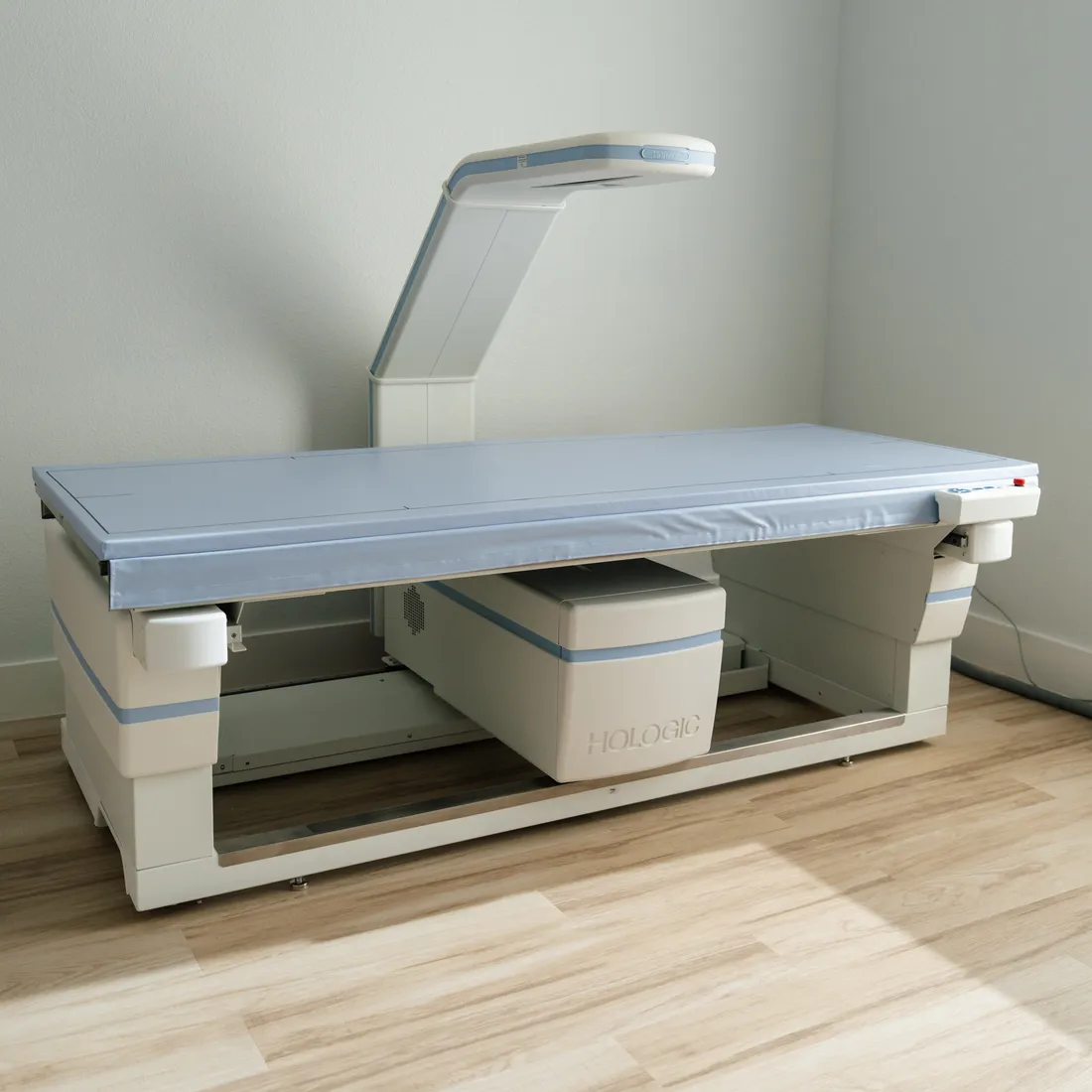
The DEXA scanner in a treatment room at Highland Longevity's Fort Worth clinic

02

Comprehensive testing, under one roof

We look beyond estrogen — thyroid, metabolic, and bone-health markers — to confirm the diagnosis and rule out other causes.

Labs, DEXA, VO₂max and resting metabolic rate testing all happen in our Fort Worth clinic, so your plan starts from your own numbers and we can re-test on a schedule as things change.

The exercise testing room with a stationary bike at Highland Longevity in Fort Worth

03

Support for strength and activity, too

Hormonal or non-hormonal, your plan is built around your symptoms, history, and preferences — and adjusted based on your response.

Our team includes a physical therapist and personal trainers who work with you in person or virtually, so movement and strength can be part of your plan alongside your medical care.

  • 04

    In-person & telehealth

    Begin in person for diagnostics, then continue with convenient telehealth follow-ups across Texas.

  • 05

    Clear costs

    Costs are reviewed at your consultation, so you can make an informed decision before you start.

  • 06

    Convenient Fort Worth location

    In the Alliance corridor at 4801 Golden Triangle Blvd, serving Keller, Southlake, Roanoke, Trophy Club, Westlake, and the DFW Metroplex.

How we evaluate

How we evaluate menopause

Menopause is a clinical diagnosis, but the right labs confirm the picture, rule out look-alike conditions, and set a baseline before any treatment.

  • Reproductive hormones

    Estradiol (E2) · FSH & LH · Progesterone · Total & Free Testosterone

  • Thyroid panel

    TSH · Free T3 & Free T4 · Thyroid Antibodies

  • Metabolic markers

    Fasting Insulin & HbA1c · Lipid Panel · hs-CRP · Vitamin D

  • Bone & body health

    DEXA bone density · Body composition · CBC & metabolic panel · Ferritin & B12

  • Symptom review

    Validated symptom history · Menstrual pattern review · Personal & family risk factors · Goals and preferences

  • Follow-up testing

    6-week symptom check · 8-12 week labs · Quarterly monitoring · Annual comprehensive review

Treatment options

Your menopause treatment options

Treatment is individualized to your symptoms, health history, and preferences. Some women do best with hormone therapy; others prefer non-hormonal strategies. We help you choose.

Hormone therapy

Hormone replacement therapy

Physician-supervised, individualized bioidentical hormone therapy for appropriate candidates — the most effective option for many menopausal symptoms.

  • Estrogen, progesterone, and (when indicated) testosterone
  • Creams, patches, pellets, or oral (pellets are compounded: compounded products are not FDA-approved and have not been shown to be safer or more effective than FDA-approved hormone therapy)
  • Monitored and individualized
Explore HRT in detail

Without hormones

Non-hormonal & lifestyle

For women who prefer to avoid hormones or have contraindications, evidence-informed non-hormonal and lifestyle strategies can meaningfully reduce symptoms.

  • Sleep, nutrition, and activity support
  • Non-hormonal symptom management
  • Vaginal & urinary symptom care
  • Bone-health strategies

What to expect

Your menopause care journey

A clear path from first conversation to a personalized, physician-monitored plan.

  1. 01

    Consultation

    We listen to your symptoms, history, and goals, and answer your questions — no pressure, no rushing.

  2. 02

    Comprehensive evaluation

    We order the labs that confirm what's happening and rule out other causes, so the plan is based on data — not assumptions.

  3. 03

    Personalized plan

    Your clinician reviews your results with you and designs a plan — hormone therapy, non-hormonal options, or both — matched to your symptoms and preferences.

  4. 04

    Ongoing care

    We check in at 6 weeks and re-test labs at 8-12 weeks, then monitor over time and fine-tune as your needs change.

Relief & safety

What relief can look like, and how we keep it safe

When menopause symptoms are properly evaluated and treated, the difference shows up across your day. Results vary by individual.

What relief can look like

  • Better sleep. Fewer night sweats and more restful sleep — often one of the first and most welcome changes.
  • Hot flash relief. Meaningful reduction in hot flashes and night sweats for appropriate candidates on therapy.
  • Mental clarity. Less brain fog and steadier focus, so work and daily life feel manageable again.
  • Mood stability. More even mood and less anxiety and irritability as hormones are addressed.
  • Restored intimacy. Relief from vaginal dryness and discomfort, supporting comfort and intimacy.
  • Long-term health. Attention to bone density and cardiovascular and metabolic health — the factors that matter well beyond symptom relief.

Safety & who it’s for

  • Benefits and risks vary with age, time since menopause, route, dose, whether a patient has a uterus, and personal medical history.
  • Hormone therapy is prescribed to treat menopausal symptoms, not as a weight-loss treatment.
  • Compounded products are not FDA-approved and have not been shown to be safer or more effective than FDA-approved hormone therapy.

Questions

Menopause FAQ

Common questions about menopause, perimenopause, and treatment at Highland Longevity in Fort Worth. Something we didn’t cover? Call (214) 444-9796.

Perimenopause is the transition leading up to menopause, when hormone levels fluctuate and symptoms like irregular periods, hot flashes, and sleep changes often begin — frequently in the early-to-mid 40s, sometimes sooner. Menopause is the point when you've gone 12 consecutive months without a period, after which estrogen and progesterone remain low. Symptoms can occur in both phases and are very treatable.

The average age of menopause is around 51, but perimenopausal symptoms commonly begin years earlier. Menopause before age 40 is considered early (premature) and is worth a medical evaluation. Because timing and symptoms vary widely, care should be individualized rather than based on age alone.

Yes — if symptoms are affecting your sleep, mood, work, relationships, or quality of life, an evaluation is worthwhile. You don't have to simply endure them. A physician can confirm what's happening with your history and labs, rule out other causes (such as thyroid issues), and discuss treatment options tailored to you.

Menopause is primarily a clinical diagnosis based on your age, symptoms, and menstrual history. At Highland Longevity we also run comprehensive labs — estradiol, FSH, thyroid, and metabolic markers — to confirm the picture, rule out other contributors, and establish a baseline before any treatment.

Options range from lifestyle and non-hormonal approaches to physician-supervised hormone replacement therapy (HRT). The right choice depends on your symptoms, health history, and preferences. Many women find significant relief with individualized bioidentical hormone therapy; others prefer non-hormonal strategies. We review the full picture and help you decide.

For many women, modern hormone therapy is considered safe and effective when properly prescribed and monitored — particularly when started within about 10 years of menopause. Safety depends on your individual health history, which is why we evaluate risk factors and individualize every protocol rather than using a one-size-fits-all approach.

Hormonal shifts during menopause are commonly associated with changes in body composition, especially around the midsection, alongside changes in metabolism and activity. Hormone therapy is prescribed to treat menopausal symptoms, not as a weight-loss treatment. Weight is best addressed through nutrition, activity, sleep, and evaluation of any underlying medical conditions.

Yes. Highland Longevity offers telehealth visits for patients across Texas. After your initial labs and evaluation, many follow-up visits can be done virtually, with periodic in-person visits for comprehensive review.

Highland Longevity · Fort Worth, Texas

Plan your menopause care consultation

Start with a free, 30-minute, in-person consultation with a Highland provider to discuss your goals, available services and next steps. This introductory visit is separate from medical evaluation and treatment.

Book a free introductory consultation

Visit our Fort Worth clinic

4801 Golden Triangle Blvd, Suite 121
Fort Worth, TX 76244

Monday–Friday, 8 a.m.–5 p.m.
First and second Saturdays, 10 a.m.–2 p.m.; other Saturdays closed.

Get directions(214) 444-9796

Start with a conversation

Get real answers about menopause

Book a consultation with a Fort Worth menopause doctor and find out what's actually happening — and what can help. No pressure, just answers.

Reception area at Highland Longevity's Fort Worth clinic

Medical disclaimer. The information on this page is for educational purposes and is not medical advice. It does not establish a physician-patient relationship and is not intended to diagnose, treat, cure, or prevent any disease. All treatments at Highland Longevity are provided under the supervision of a licensed physician. Individual results vary. Please consult a qualified healthcare provider to determine whether a given therapy is appropriate for your individual health status.

This page is for general educational purposes and is not medical advice. Diagnosis and treatment decisions are made on an individual basis after evaluation. Individual results vary.