Postpartum Weight Loss: Beyond "Bouncing Back"
You love your baby. You're grateful for your body. But you also want to feel like yourself again. If the baby weight isn't budging despite your best efforts, it's not because you're not trying hard enough—your body genuinely changed during pregnancy.

Why Postpartum Weight Is Different
Pregnancy changes your body in ways that don't simply reverse after delivery.
Body Composition Shift
Pregnancy often reduces muscle mass while increasing fat storage—a combination that slows metabolism even at the same weight.
Sleep Deprivation
Broken sleep increases cortisol and hunger hormones while decreasing willpower—making weight loss physiologically harder.
Time Scarcity
Between feeding, naps, and constant demands, finding time for meal prep or exercise feels impossible—because it often is.
Hormonal Recalibration
Postpartum hormones take 6-12+ months to stabilize. Until they do, your body may resist weight loss regardless of effort.
Here's what no one tells you: "bouncing back" is largely a myth. Studies show 75% of women weigh more one year after delivery than before pregnancy. Many retain 10-20 pounds indefinitely. And with each pregnancy, the retained weight can accumulate.
This isn't failure. It's biology. Pregnancy fundamentally changes your body composition, hormone levels, and metabolism. Your pre-baby approach to weight management may simply not work for your post-baby body.
GLP-1 medications like semaglutide offer a path forward. Once you're done breastfeeding, these medications can help reduce the appetite and cravings that make postpartum weight loss so difficult—without requiring perfect diet discipline during the chaos of new motherhood.
- 75% of women retain weight 1 year postpartum
- Average retention is 10-15 pounds per pregnancy
- Muscle loss during pregnancy slows metabolism
- GLP-1 medications effective once breastfeeding complete
Our Postpartum Weight Loss Approach
Medical treatment designed for the realities of life with young children.
Understand Your New Baseline
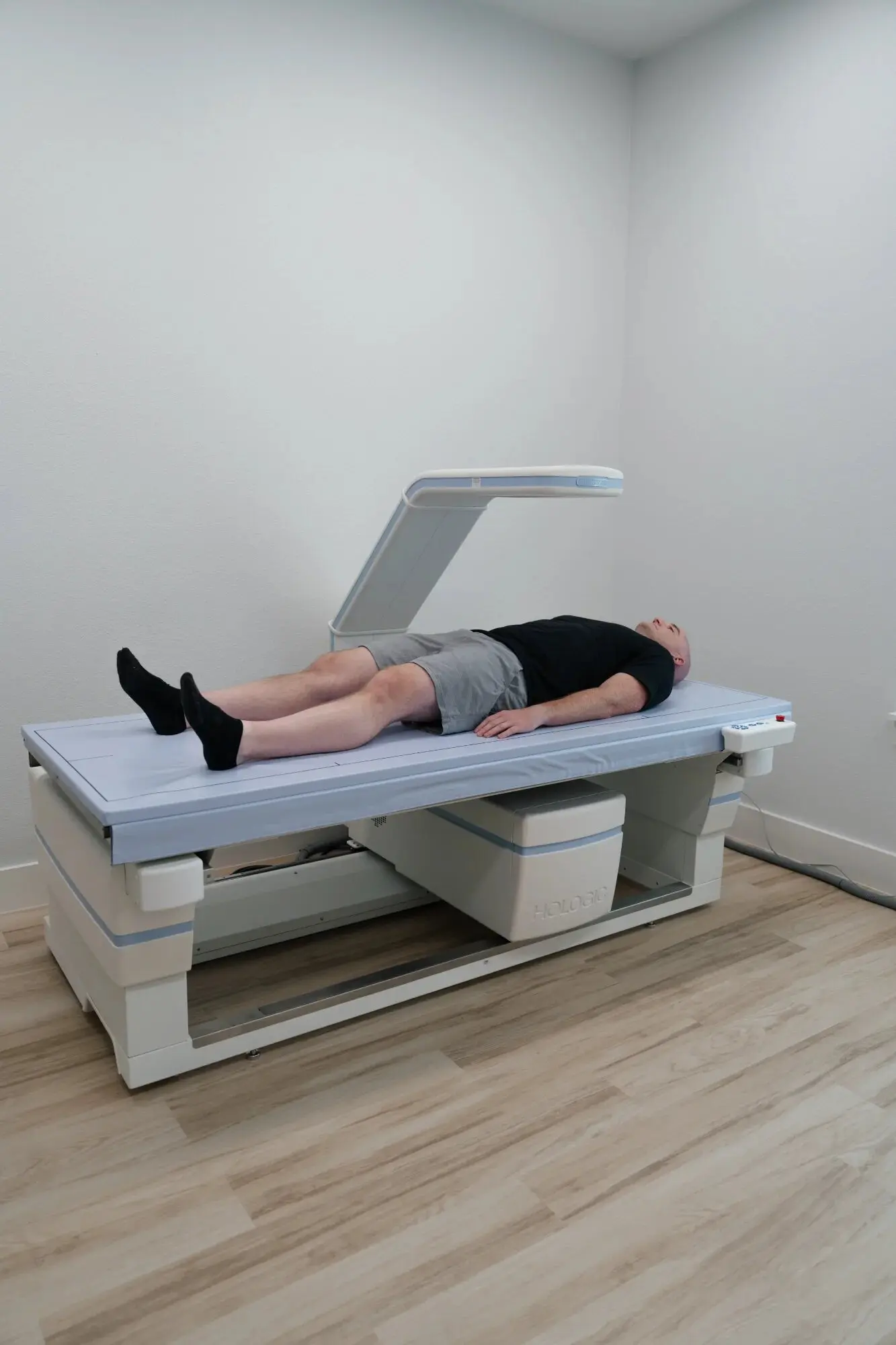
DEXA body composition shows exactly how pregnancy changed your body—where you've gained fat, if you've lost muscle, and what your realistic starting point is. Metabolic testing reveals your actual calorie needs.
GLP-1 Medication (Post-Breastfeeding)
Once you're done nursing, semaglutide or tirzepatide can dramatically reduce the appetite and cravings that make postpartum weight loss so hard—without requiring the perfect discipline that's impossible with a baby.
Flexible, Mom-Friendly Support
We understand your schedule is chaos. Monthly check-ins, telehealth options when needed, and realistic expectations for progress. Your treatment fits your life—not the other way around.

Understanding the Postpartum Body
"New moms are exhausted, overwhelmed, and often blamed for not 'trying hard enough' to lose baby weight. But the reality is that pregnancy changes your body at a cellular level. The sleep deprivation alone makes weight loss nearly impossible through willpower. Medical treatment gives women the support their bodies actually need."
— Dr. Josh Lindsley, DO, DABOM
Treatment Options for Postpartum Weight
Safe, effective approaches that work with your busy schedule.
GLP-1 Medications
After Breastfeeding CompletesThe most effective weight loss medications available—perfect for busy moms because they dramatically reduce appetite without requiring perfect discipline.
- Start once breastfeeding is complete
- Reduces food noise and cravings
- Weekly injection (minimal time commitment)
- 15-22% average weight loss
DEXA Body Composition
See Your New BaselineMedical-grade body composition analysis that shows exactly how pregnancy changed your body—and what you're working with now.
- Shows muscle loss from pregnancy
- Maps fat distribution changes
- Creates realistic expectations
- Tracks true progress (not just scale weight)
Metabolic Testing
Know Your Real NumbersYour metabolism may have slowed during pregnancy. Testing reveals your actual calorie needs so you can eat enough while still losing weight.
- Your exact daily calorie burn
- Prevents under-eating (which backfires)
- Creates sustainable nutrition targets
- Quick 20-minute test
Planning During Breastfeeding
Prepare for LaterStill nursing? We can assess your current state and create a plan for when you're ready—so you can hit the ground running when breastfeeding ends.
- DEXA scan to see where you are
- Metabolic testing for current calorie needs
- Nutrition guidance (breastfeeding-safe)
- Treatment plan for post-weaning
Postpartum Weight Loss FAQs
GLP-1 medications should not be used while breastfeeding. If you're not breastfeeding, treatment can begin 6-8 weeks postpartum after your body has recovered from delivery. If breastfeeding, wait until you've fully weaned—even occasional nursing means medication isn't safe yet.
Yes! While GLP-1 medications aren't safe during breastfeeding, we can still help. DEXA body composition scans give you an accurate picture of where you are. Metabolic testing helps optimize your nutrition. And we can create a treatment plan so you're ready to start medication the moment you've finished nursing.
Pregnancy permanently changes your body composition. You may have lost muscle, gained fat, and your metabolism may be genuinely slower. Sleep deprivation—unavoidable with a baby—affects hunger hormones and fat storage. These are biological factors that require more than healthy eating to address.
Very common. Studies show 75% of women weigh more one year postpartum than before pregnancy. Many retain 10-20 pounds indefinitely—and this increases with each pregnancy. This doesn't mean you failed; it means your body changed and may need medical support to return to your pre-pregnancy weight.
GLP-1 medications should be stopped 2 months before trying to conceive. Reaching a healthier weight before pregnancy actually improves outcomes—reducing gestational diabetes risk, pregnancy complications, and postpartum weight retention. We'll create a timeline that works with your family planning goals.
We designed our program for busy moms. GLP-1 medication is a once-weekly injection (less than a minute). Monthly check-ins can be telehealth when needed. And because the medication reduces appetite so effectively, you don't need perfect meal prep or elaborate diet plans—you'll naturally eat less without the constant struggle.
Serving Fort Worth & Surrounding Communities
Our clinic is conveniently located in the Fort Worth Alliance area, just minutes from communities throughout the DFW metroplex.
Located at 4801 Golden Triangle Blvd Suite 121, Fort Worth, TX 76244
Ready to Feel Like Yourself Again?
Book a free consultation to discuss how we can help you lose the baby weight—without adding more to your already full plate.