Physician-Led Perimenopause Weight Care in Fort Worth
Weight concerns during perimenopause deserve an individualized evaluation of symptoms, sleep, medications, activity, nutrition, body composition, and cardiometabolic risk—not a one-cause explanation or a promised result.

What May Change During Perimenopause
Symptoms, timing, body composition, and cardiometabolic risk vary by patient.
Hormone Fluctuations
Hormone levels fluctuate during the transition, but symptoms and metabolic effects are not the same for every patient.
Sleep Disruption
Hot flashes, night sweats, stress, and other conditions may disrupt sleep and deserve individualized review.
Energy Crashes
Fatigue may affect activity and nutrition, but other medical, sleep, mood, and medication-related causes should be considered.
Fat Redistribution
Body composition and regional fat distribution can change with age and the menopausal transition, with substantial individual variation.
The Hidden Transition
Perimenopause can begin before periods stop, and the timing and duration vary. Some patients have obvious cycle or vasomotor symptoms; others have fewer recognizable changes.
Weight concerns during this phase may reflect several interacting factors, including aging, sleep, activity, nutrition, medications, mood, symptoms, and medical conditions. Evaluation is used to identify modifiable contributors rather than assume one hormonal cause.
There is no universal deadline or guaranteed easier window for treatment. Care can begin whenever weight, symptoms, function, or cardiometabolic risk warrant attention.
- Timing, duration, and symptoms vary
- Cycle changes may begin before periods stop
- Weight and body-composition patterns are individualized
- Evaluation focuses on health, function, and risk
Our Perimenopause Weight Loss Approach
Treatment designed for women in the transitional years—before full menopause.
Understand Your Current State
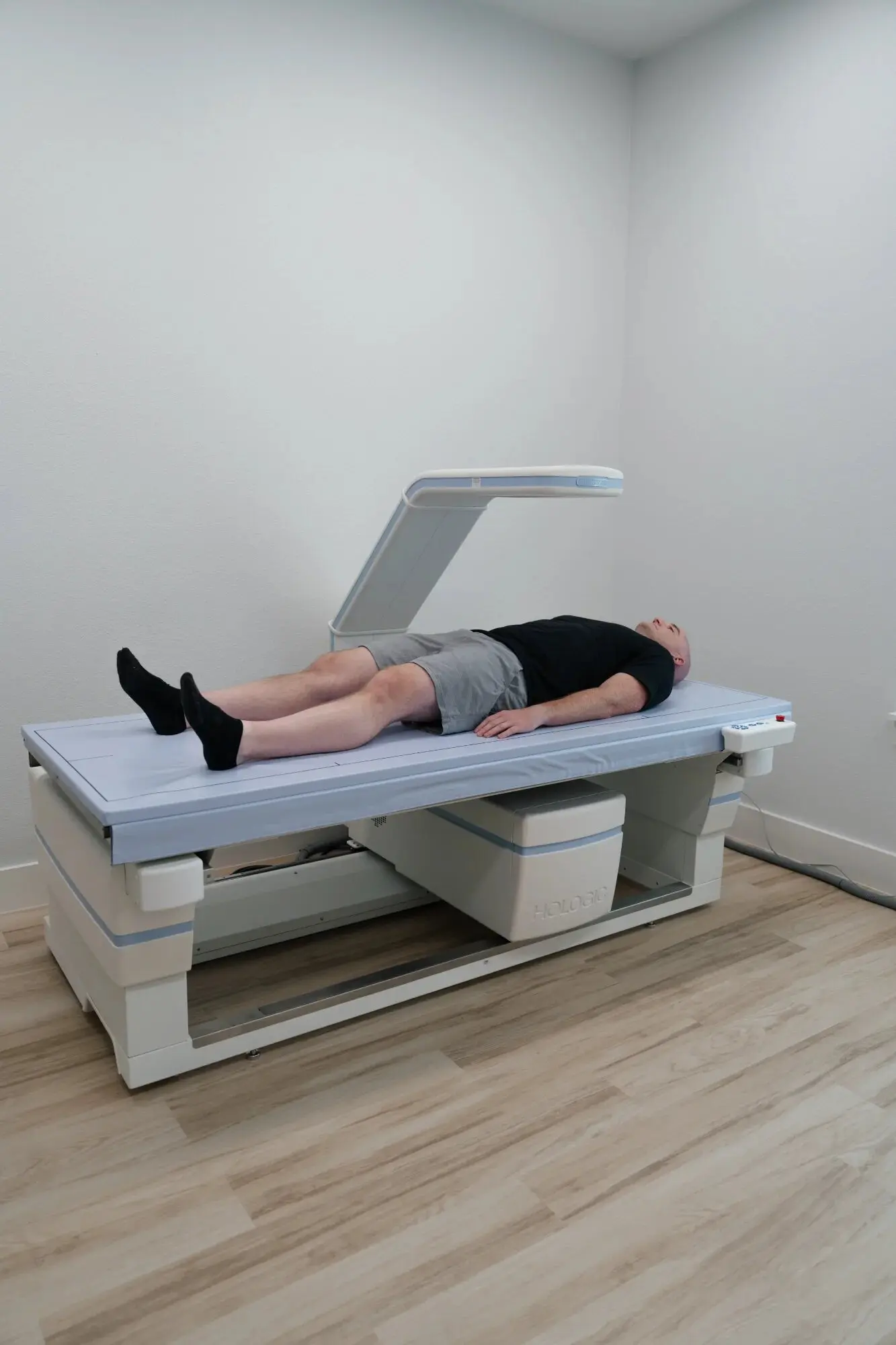
DEXA estimates fat mass and regional distribution, resting metabolic rate testing estimates resting energy expenditure, and laboratory testing is selected only when clinically indicated.
GLP-1 Medication
Medication may be considered after review of medical history, contraindications, current medicines, pregnancy potential, risks, tolerability, access, and goals. Highland discusses FDA-approved options first and limits compounding to a documented patient-specific clinical need.
Track What Matters
Follow-up may include weight, waist, symptoms, adverse effects, blood pressure, clinically indicated laboratory markers, and DEXA estimates of fat mass and lean mass when useful.

Evaluating the Transition
Dr. Lindsley's approach is to evaluate weight concerns without blame or a one-cause explanation, then individualize care from the patient's symptoms, medical history, medications, sleep, nutrition, activity, cardiometabolic risk, and goals.
Treatment Options for Perimenopause
Flexible approaches that adapt to your changing hormones.
GLP-1 Medications
Primary TreatmentCompounded GLP-1 options may support appetite regulation and metabolic care for appropriate perimenopause patients, alongside nutrition, labs, and body-composition tracking.
- Effective during hormonal fluctuations
- Reduces appetite and cravings
- Metabolic markers monitored when clinically indicated
- Helps prevent additional gain
DEXA Body Composition
Essential TrackingMedical-grade scans that differentiate fat loss from muscle loss—critical during perimenopause when muscle preservation is vital.
- Shows fat vs. muscle changes
- Tracks visceral fat accumulation
- Monitors bone density too
- Documents progress beyond the scale
Metabolic Testing
Know Your NumbersResting metabolic rate testing estimates resting energy expenditure and can help inform nutrition planning alongside the broader clinical evaluation.
- Estimated resting energy expenditure
- Interpreted with the clinical context
- Prevents over-restriction
- Creates sustainable targets
Hormone Assessment
Complete PictureComprehensive labs to understand where you are in the perimenopausal transition and whether hormone optimization might complement your weight loss treatment.
- FSH, estrogen, progesterone levels
- Thyroid function panel
- Insulin and glucose markers
- Informs treatment timing
Perimenopause Weight Loss FAQs
Perimenopause is the transition before menopause. Timing, duration, and symptoms vary, and cycle changes may begin before periods stop. Diagnosis is usually clinical; testing is selected when the history suggests another cause or the result would change care.
Weight and body composition can be influenced by aging, sleep, activity, nutrition, medications, symptoms, medical conditions, and the menopausal transition. The pattern differs by patient, so evaluation should not assume one hormone or one cause.
There is no universal deadline or guaranteed easier window. Evaluation can be useful whenever weight, symptoms, function, or cardiometabolic risk warrant attention, with options individualized to the patient.
GLP-1 treatment may be appropriate after individualized medical evaluation. The clinician reviews medical history, contraindications, current medications, pregnancy potential, risks, tolerability, access, and goals. Highland discusses FDA-approved options first and limits compounding to a documented patient-specific clinical need.
Cycle changes, hot flashes, sleep disturbance, and mood symptoms may occur during perimenopause, but other causes may need evaluation. Diagnosis is clinical; hormone testing is not routinely required to confirm perimenopause in every patient.
Weight, sleep, hot flashes, mood, energy, and joint symptoms should be followed separately. Improvement in weight does not guarantee improvement in another symptom, and persistent symptoms deserve their own evaluation.
Serving Fort Worth & Surrounding Communities
Our clinic is conveniently located in the Fort Worth Alliance area, just minutes from communities throughout the DFW metroplex.
Located at 4801 Golden Triangle Blvd Suite 121, Fort Worth, TX 76244
Discuss Your Perimenopause Weight Concerns
Book a free consultation to review your health priorities, symptoms, risks, and realistic options during the menopausal transition.