Postpartum Weight Loss: Beyond "Bouncing Back"
Postpartum weight concerns deserve care without blame. Highland evaluates recovery, lactation plans, sleep, nutrition, activity, medications, symptoms, medical conditions, and individualized goals before discussing options.

What Can Affect Postpartum Weight
Recovery and weight patterns vary; no single factor explains every patient's experience.
Body Composition Shift
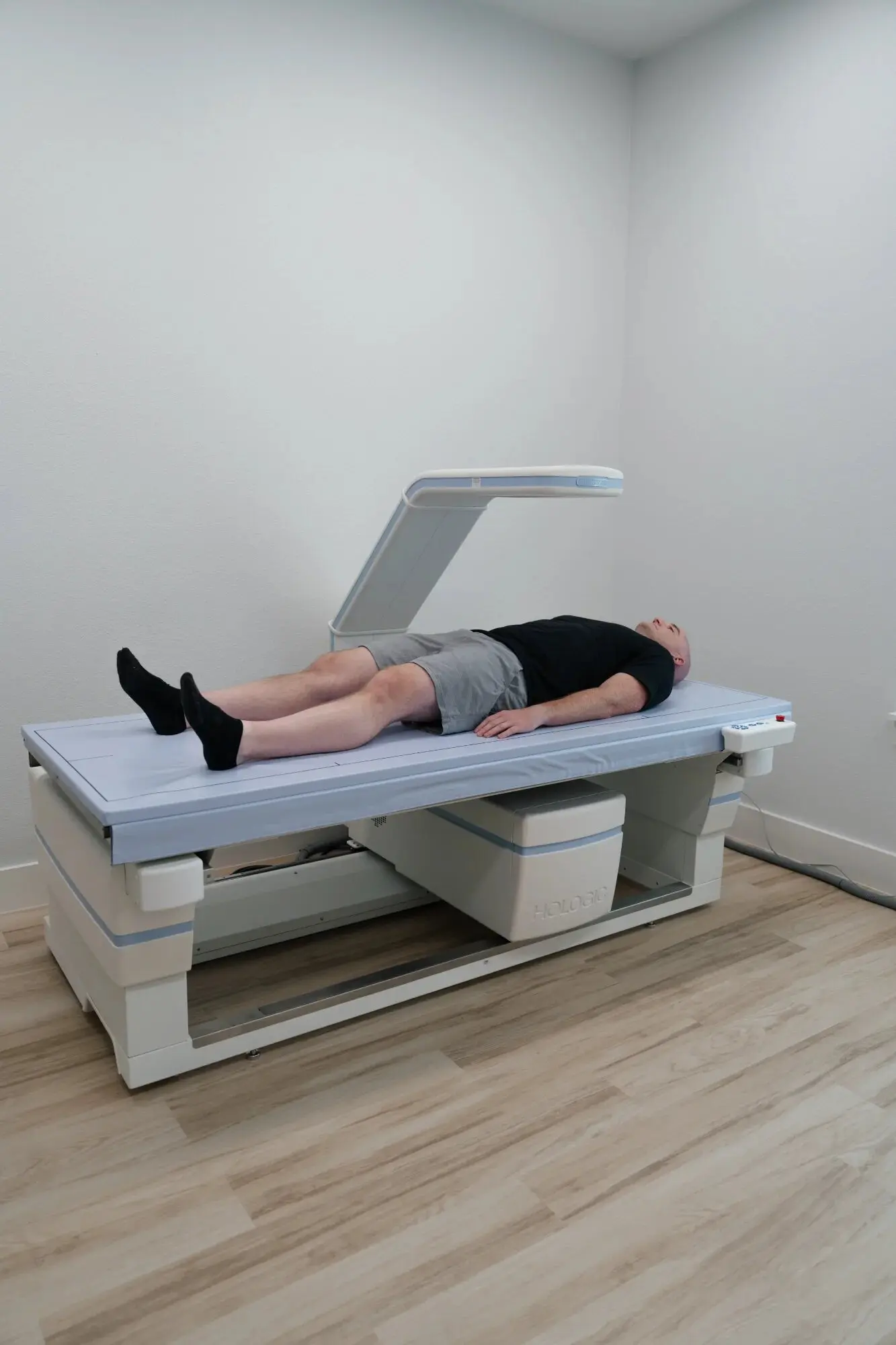
Body composition may change across pregnancy and recovery. DEXA can estimate fat mass and lean mass at the time of testing but cannot determine the cause of a change.
Sleep Deprivation
Interrupted sleep can affect energy, activity, appetite, and well-being. Sleep concerns deserve support rather than being reduced to willpower.
Time Scarcity
Infant care, work, recovery, and family responsibilities can constrain meal planning, activity, and follow-up; the plan should account for that reality.
Recovery and Lactation
Postpartum timing, lactation, cycle changes, symptoms, and medical history influence evaluation and medication decisions.
There is no single normal timeline or guaranteed return to a pre-pregnancy weight. Postpartum weight patterns differ, and care should focus on health, function, symptoms, and goals rather than pressure to "bounce back."
Evaluation may consider recovery, lactation, sleep, activity, nutrition, medications, mood, symptoms, body composition, and other medical contributors. This is not a judgment about effort.
Medication decisions require individualized review of current product labeling, pregnancy plans, lactation goals, contraindications, risks, and alternatives. Highland discusses FDA-approved options first and limits compounding to a documented patient-specific clinical need.
- Recovery and weight timelines vary
- Lactation and pregnancy plans inform medication decisions
- Sleep, nutrition, activity, symptoms, and medical conditions are reviewed
- No amount or timeline of weight loss is guaranteed
Our Postpartum Weight Loss Approach
Medical treatment designed for the realities of life with young children.
Understand Your New Baseline
DEXA estimates fat mass and lean mass, while resting metabolic rate testing estimates resting energy expenditure. Postpartum interpretation must account for timing, lactation, symptoms, and the broader clinical context.
Medication Review
Medication decisions require product-specific labeling and individualized review of recovery, lactation, pregnancy plans, contraindications, risks, alternatives, and goals. FDA-approved options are discussed first.
Flexible, Mom-Friendly Support
Follow-up can account for infant care, work, recovery, and family responsibilities, with telehealth used when appropriate and realistic expectations throughout care.

Postpartum Care Without Blame
Dr. Lindsley's approach is to evaluate postpartum weight concerns in context—recovery, lactation, sleep, nutrition, activity, medications, symptoms, medical conditions, and goals—without assuming a lack of effort or promising a specific result.
Treatment Options for Postpartum Weight
Individualized options selected from the clinical context, current labeling, risks, evidence, and patient goals.
GLP-1 Medications
Individualized ReviewMedication may be considered only after review of current product labeling, lactation and pregnancy plans, medical history, contraindications, risks, alternatives, and goals. Highland discusses FDA-approved options first.
- Product-specific labeling reviewed
- Pregnancy and lactation plans discussed
- Response and adverse effects monitored
- Individual results vary; no amount of weight loss is guaranteed
DEXA Body Composition
See Your New BaselineDEXA estimates fat mass and lean mass at the time of the scan. It cannot determine which changes were caused by pregnancy or guarantee a specific outcome.
- Estimates fat mass and lean mass
- Estimates regional fat distribution
- Creates realistic expectations
- Tracks true progress (not just scale weight)
Metabolic Testing
Know Your Real NumbersResting metabolic rate testing estimates resting energy expenditure and can help inform nutrition planning alongside the broader clinical evaluation.
- Estimated resting energy expenditure
- Can inform nutrition targets
- Interpreted with symptoms and goals
- Quick 20-minute test
Planning During Breastfeeding
Prepare for LaterStill nursing? We can assess your current state and create a plan for when you're ready—so you can hit the ground running when breastfeeding ends.
- DEXA scan to see where you are
- Metabolic testing for current calorie needs
- Nutrition guidance (breastfeeding-safe)
- Treatment plan for post-weaning
Postpartum Weight Loss FAQs
Weight-management medications are not used during pregnancy. During lactation, medication decisions require product-specific labeling, the infant-feeding plan, postpartum recovery, and individualized risk-benefit review. If treatment is considered later, Highland discusses FDA-approved options first and limits compounding to a documented patient-specific clinical need.
Yes. Care during breastfeeding can focus on nutrition, sleep, activity, clinically indicated testing, and realistic goals. Medication decisions require individualized review of current product labeling, medical history, and lactation plans.
Postpartum weight retention can reflect changes in sleep, activity, nutrition, lactation, medications, mood, medical conditions, and body composition. The pattern differs by patient, so we evaluate potential contributors rather than assume pregnancy caused a permanent metabolic change.
There is no single normal timeline or guaranteed return to a prior weight. Evaluation focuses on health, function, symptoms, and individualized goals without blame.
GLP-1 medications are generally stopped before trying to conceive, and timing should be individualized with your clinician. If future pregnancy is part of your plan, we'll discuss medication timing, alternatives, and a family-planning timeline before starting treatment.
We designed our program for busy moms. Compounded GLP-1 medication is typically administered as a once-weekly injection. Monthly check-ins can be telehealth when appropriate. The goal is structured medical support, appetite regulation, nutrition guidance, and body-composition tracking—not a guaranteed outcome or a substitute for clinical follow-up.
Serving Fort Worth & Surrounding Communities
Our clinic is conveniently located in the Fort Worth Alliance area, just minutes from communities throughout the DFW metroplex.
Located at 4801 Golden Triangle Blvd Suite 121, Fort Worth, TX 76244
Ready to Feel Like Yourself Again?
Book a free consultation to discuss postpartum weight concerns, health priorities, and realistic options without blame or a promised outcome.