Semaglutide for Hypothyroidism: When Thyroid Medication Isn't Enough
You're on levothyroxine. Your TSH is "normal." But you still can't lose weight. That's because hypothyroidism creates metabolic damage that persists even after thyroid levels normalize. Semaglutide addresses what thyroid medication can't.

Why Thyroid Medication Alone Often Fails for Weight Loss
Normalizing thyroid hormones doesn't automatically reverse the metabolic adaptations your body made.
Metabolic Set Point Shift
When hypothyroid, your body lowered its metabolic rate to conserve energy. Even after treatment, this lower set point often persists—you need fewer calories than someone who was never hypothyroid.
Muscle Loss
Untreated hypothyroidism causes muscle wasting. Less muscle means a slower metabolism. Thyroid medication doesn't rebuild this muscle—you need targeted intervention.
Appetite Dysregulation
Hypothyroidism affects leptin and ghrelin (hunger hormones). These imbalances can persist even with normalized thyroid levels, making appetite control difficult.
How Semaglutide Complements Thyroid Treatment
Think of it this way: thyroid medication fixes the hormonal cause, but semaglutide addresses the downstream consequences. These are two different problems requiring two different solutions.
Semaglutide works through GLP-1 receptors—a completely separate pathway from thyroid hormones. It reduces appetite directly through brain signaling, improves insulin sensitivity (often impaired in hypothyroidism), and helps your body process blood sugar more efficiently.
For hypothyroid patients, this combination can be transformative. You're finally addressing both the underlying hormone deficiency AND the metabolic dysfunction it created.
- Works through GLP-1 pathway (independent of thyroid)
- Reduces appetite that thyroid medication can't control
- Improves insulin sensitivity (often impaired with hypothyroidism)
- Safe to use alongside levothyroxine and other thyroid medications
Beyond "Normal" TSH: Optimizing Your Treatment
Many hypothyroid patients are told their TSH is "normal"—but normal isn't optimal. A TSH of 4.0 is technically normal but vastly different from a TSH of 1.5. And standard testing often misses the bigger picture.
At Highland Longevity, we look beyond TSH to understand your complete thyroid picture:
- Free T4 and Free T3 levels (the active hormones)
- Reverse T3 (which can block T3 action)
- Thyroid antibodies (for Hashimoto's assessment)
- Metabolic rate testing via RMR
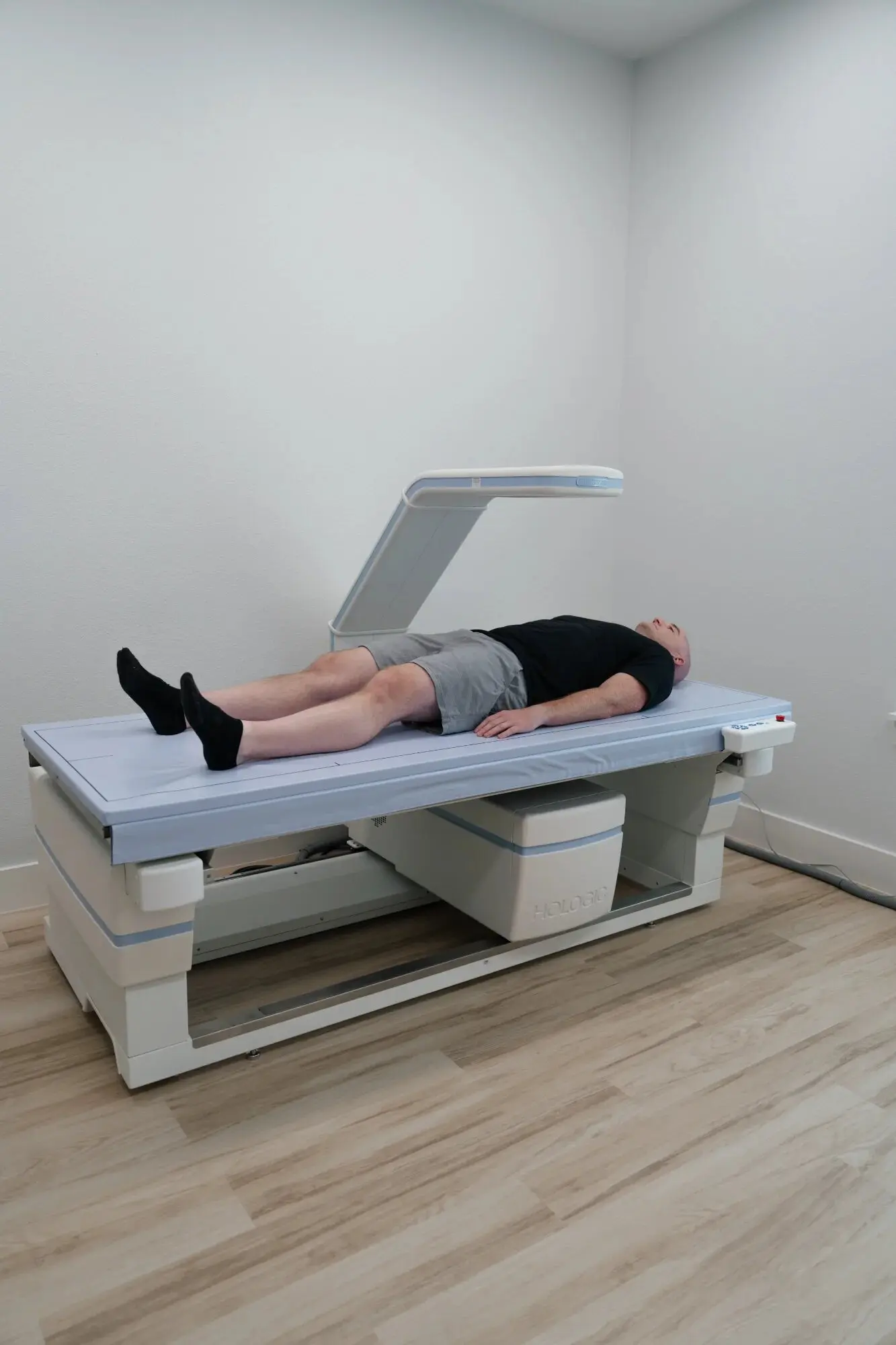
- Body composition via DEXA scan
This comprehensive approach helps us understand whether your thyroid treatment is truly optimized—and how semaglutide can best support your weight loss goals.


Understanding the Thyroid-Weight Connection
"I see hypothyroid patients all the time who've been told 'your labs are fine, just eat less.' But their metabolic rate is genuinely lower—often 200-300 calories below normal. That's not a willpower problem. Semaglutide helps bridge the gap between where their metabolism is and where it needs to be for weight loss."
— Dr. Josh Lindsley, DO, DABOM
Semaglutide for Hypothyroidism FAQs
Yes. Semaglutide has no significant interactions with levothyroxine (Synthroid), liothyronine (Cytomel), or combination thyroid medications. However, GLP-1 medications can slow gastric emptying, so we recommend taking your thyroid medication on an empty stomach as usual, then waiting at least 30-60 minutes before eating or taking other medications.
Semaglutide doesn't directly affect thyroid hormone production or conversion. However, excess body fat can worsen thyroid symptoms and increase inflammation. By reducing body fat, semaglutide may indirectly improve how well your thyroid medication works and how energetic you feel overall.
A "normal" TSH doesn't always mean optimal thyroid function. Many patients feel best with TSH in the lower half of the normal range. Additionally, hypothyroidism often causes metabolic adaptations (reduced muscle mass, increased hunger signals, lower metabolic rate) that persist even after thyroid levels normalize. Semaglutide addresses these downstream effects directly.
Possibly. Thyroid medication dosing is based partly on body weight. As you lose significant weight (typically 15+ pounds), you may need a slight reduction in your thyroid medication dose. We monitor your levels and coordinate with your prescribing provider to ensure your thyroid function remains optimal throughout your weight loss journey.
Yes. Hashimoto's thyroiditis (autoimmune thyroid disease) doesn't prevent you from using semaglutide. In fact, weight loss often reduces inflammation and may improve autoimmune symptoms. We'll monitor your thyroid antibodies and adjust your treatment plan as needed throughout your weight loss journey.
Not necessarily. While we want your thyroid reasonably optimized, you don't need to wait years hoping weight loss will happen on its own. If you've been on stable thyroid medication for at least 6-8 weeks and levels are in a reasonable range, adding semaglutide is appropriate. The two treatments work through different mechanisms and complement each other.
Serving Fort Worth & Surrounding Communities
Our clinic is conveniently located in the Fort Worth Alliance area, just minutes from communities throughout the DFW metroplex.
Located at 4801 Golden Triangle Blvd Suite 121, Fort Worth, TX 76244
Ready to Address What Thyroid Medication Can't?
Book a free consultation to discuss how semaglutide can complement your thyroid treatment and finally help you lose the weight that thyroid medication alone hasn't addressed.