Perimenopause Weight Gain: When Your 40s Change Everything
You're eating the same. Exercising the same. But your jeans don't fit anymore. Welcome to perimenopause—the 4-8 year transition that's quietly sabotaging your metabolism. The good news? We specialize in treating weight gain during this exact hormonal shift.

What Perimenopause Does to Your Body
These hormonal shifts start years before your periods stop—and they affect everything.
Hormone Fluctuations
Estrogen and progesterone swing wildly—sometimes high, sometimes low—disrupting metabolism, sleep, and fat storage patterns.
Sleep Disruption
Night sweats and hormonal changes affect sleep quality, which directly increases appetite and fat storage the next day.
Energy Crashes
Unpredictable energy levels make it harder to exercise consistently, and fatigue increases cravings for quick carbs.
Fat Redistribution
Even without gaining weight, fat shifts from your hips to your belly—the pattern that increases health risks.
The Hidden Transition
Perimenopause typically begins in your early 40s—but it can start in your late 30s. Most women don't realize it's happening until they've already gained 10-15 pounds that seem impossible to lose.
Here's what makes perimenopause weight gain so frustrating: your periods might still be regular. You might not have hot flashes yet. But behind the scenes, your hormones are already fluctuating enough to change how your body stores fat and burns calories.
This isn't the time to "wait and see." Early intervention during perimenopause is actually easier than treating weight gain after menopause. You still have some hormonal support, your metabolism hasn't fully slowed, and you haven't yet lost the muscle mass that makes weight loss harder later.
- Perimenopause lasts an average of 4-8 years
- Begins even when periods are still regular
- Weight gain averages 5-15 pounds during this phase
- Early treatment prevents additional accumulation
Our Perimenopause Weight Loss Approach
Treatment designed for women in the transitional years—before full menopause.
Understand Your Current State
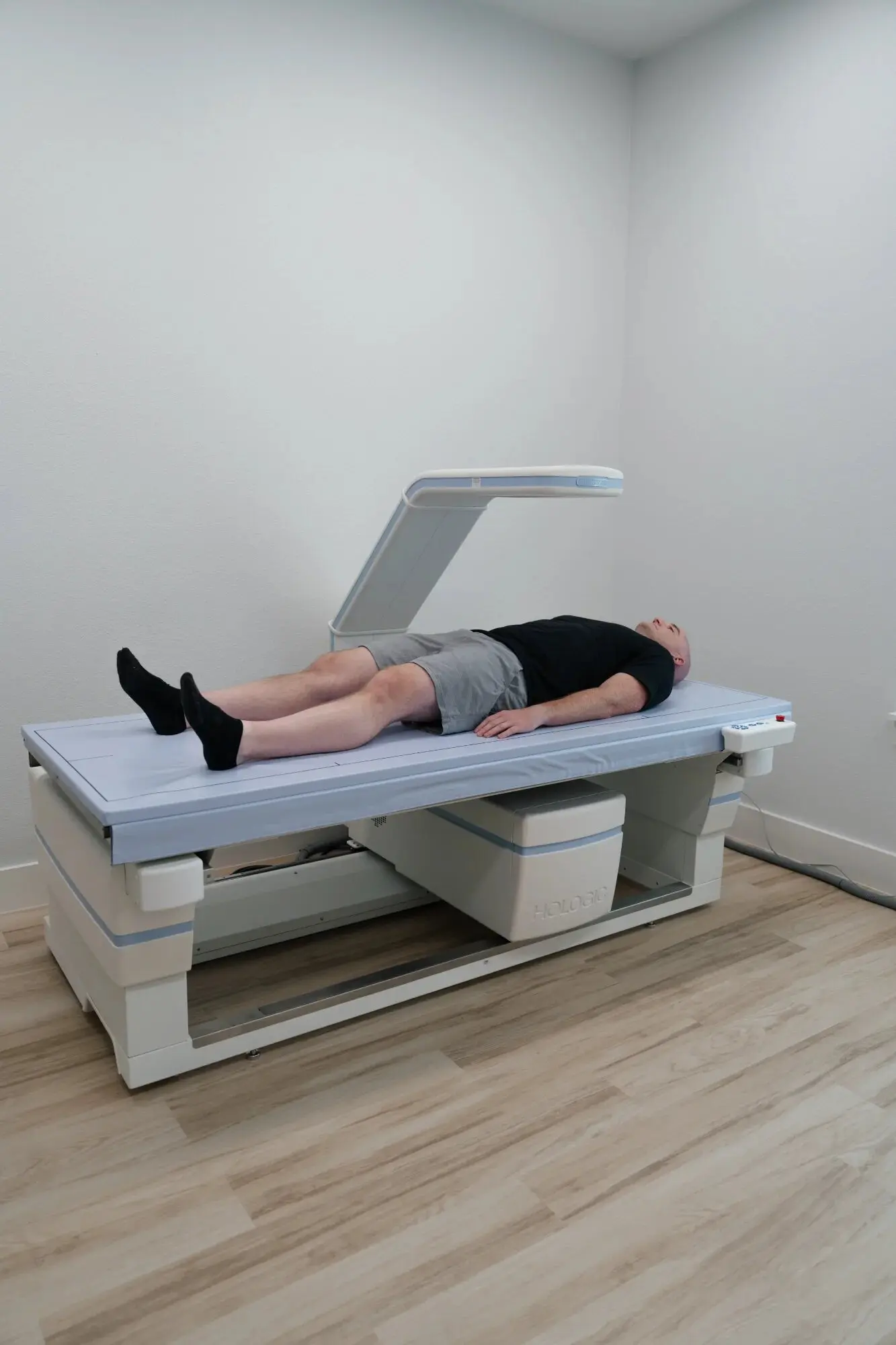
DEXA body composition reveals exactly where you're gaining fat. Metabolic testing shows how your calorie needs have changed. Labs assess where you are in the perimenopausal transition.
GLP-1 Medication
Semaglutide or tirzepatide works regardless of where you are in perimenopause. These medications reduce appetite, improve insulin sensitivity, and help your body release stored fat—even as hormones fluctuate.
Protect Your Future
We focus on preserving muscle mass now to maintain metabolic rate through menopause. This investment pays dividends for years—making weight maintenance easier post-menopause.

Treating the Transition
"Perimenopause is often overlooked because women still have periods and don't feel 'menopausal' yet. But this is actually the ideal time to intervene. The metabolic changes have started, but they're not fully established. Treat now, and you prevent the additional 10-15 pounds most women gain before menopause."
— Dr. Josh Lindsley, DO, DABOM
Treatment Options for Perimenopause
Flexible approaches that adapt to your changing hormones.
GLP-1 Medications
Primary TreatmentThe most effective weight loss medications available, working consistently even as your hormones fluctuate throughout perimenopause.
- Effective during hormonal fluctuations
- Reduces appetite and cravings
- Improves insulin sensitivity
- Helps prevent additional gain
DEXA Body Composition
Essential TrackingMedical-grade scans that differentiate fat loss from muscle loss—critical during perimenopause when muscle preservation is vital.
- Shows fat vs. muscle changes
- Tracks visceral fat accumulation
- Monitors bone density too
- Documents progress beyond the scale
Metabolic Testing
Know Your NumbersMeasure your exact resting metabolic rate to understand how perimenopause has affected your calorie needs—and adjust accordingly.
- Your exact daily calorie burn
- Quantifies metabolic changes
- Prevents over-restriction
- Creates sustainable targets
Hormone Assessment
Complete PictureComprehensive labs to understand where you are in the perimenopausal transition and whether hormone optimization might complement your weight loss treatment.
- FSH, estrogen, progesterone levels
- Thyroid function panel
- Insulin and glucose markers
- Informs treatment timing
Perimenopause Weight Loss FAQs
Perimenopause is the transitional phase before menopause, typically starting in your early-to-mid 40s (though it can begin in late 30s). It lasts 4-8 years on average. During this time, estrogen and progesterone fluctuate unpredictably, causing many symptoms including unexplained weight gain—even while periods are still regular.
Fluctuating hormones during perimenopause affect metabolism, fat storage, sleep, and energy—even before you notice other symptoms. Many women gain 5-15 pounds during perimenopause while eating and exercising exactly the same as before. This is hormonal, not behavioral. Your approach needs to change because your body has changed.
No—actually, treating during perimenopause is easier. You still have some hormonal support and haven't yet experienced the full metabolic slowdown of menopause. Starting treatment now can prevent additional weight gain and preserve the muscle mass that naturally declines with age.
Absolutely. GLP-1 medications like semaglutide work independently of your reproductive hormones. They're particularly effective during perimenopause because they address insulin resistance, which tends to increase during this transition. The medication works consistently even as your estrogen and progesterone fluctuate.
Common signs include: periods becoming irregular (shorter, longer, lighter, heavier), hot flashes or night sweats, sleep disruption, mood changes, and—yes—unexplained weight gain, especially around the midsection. But some women have few obvious symptoms. If you're in your 40s and gaining weight despite no lifestyle changes, perimenopause is likely playing a role.
Often, yes. Excess weight can worsen hot flashes, sleep problems, and joint pain. Many patients report improved sleep and energy once they begin losing weight. Reducing visceral (belly) fat also decreases inflammation, which can improve mood and overall well-being during the transition.
Serving Fort Worth & Surrounding Communities
Our clinic is conveniently located in the Fort Worth Alliance area, just minutes from communities throughout the DFW metroplex.
Located at 4801 Golden Triangle Blvd Suite 121, Fort Worth, TX 76244
Don't Wait Until Menopause—Act Now
Book a free consultation to discuss how we can help you take control of weight gain during the perimenopausal transition.