PCOS Weight Loss: Finally Break the Cycle
You've tried dieting. You've tried exercising more. But with PCOS, your body fights back—storing fat instead of burning it. It's not your fault. Insulin resistance is driving your weight gain, and willpower alone can't fix biology. GLP-1 medications like semaglutide can.

Why PCOS Makes Weight Loss So Hard
Understanding the biology behind your struggle is the first step to overcoming it.
Insulin Resistance
Your cells don't respond to insulin properly, causing elevated insulin levels that promote fat storage.
Stubborn Belly Fat
High insulin drives fat storage specifically around your midsection—the hardest fat to lose.
Increased Appetite
Hormonal imbalances increase hunger signals and cravings, especially for carbohydrates.
Slower Metabolism
PCOS affects thyroid function and metabolic rate, meaning you burn fewer calories at rest.
The PCOS-Insulin Connection
Polycystic Ovary Syndrome affects up to 10% of women, and weight gain is one of its most frustrating symptoms. But the real culprit isn't overeating—it's insulin resistance.
When you have PCOS, your cells become less responsive to insulin. Your pancreas compensates by producing more insulin, and those elevated insulin levels tell your body to store fat—especially around your abdomen. This creates a vicious cycle: more fat leads to more insulin resistance, which leads to more fat storage.
Traditional diets fail because they don't address this underlying biology. You can cut calories dramatically and still struggle to lose weight because your hormones are working against you. That's why targeted medical treatment is so effective for PCOS weight loss.
- 70% of women with PCOS have insulin resistance
- PCOS increases diabetes risk 4x compared to other women
- Losing just 5-10% body weight can restore ovulation
- GLP-1 medications directly improve insulin sensitivity
Our Approach to PCOS Weight Loss
We don't just prescribe medication—we understand and treat the whole picture.
Comprehensive Assessment
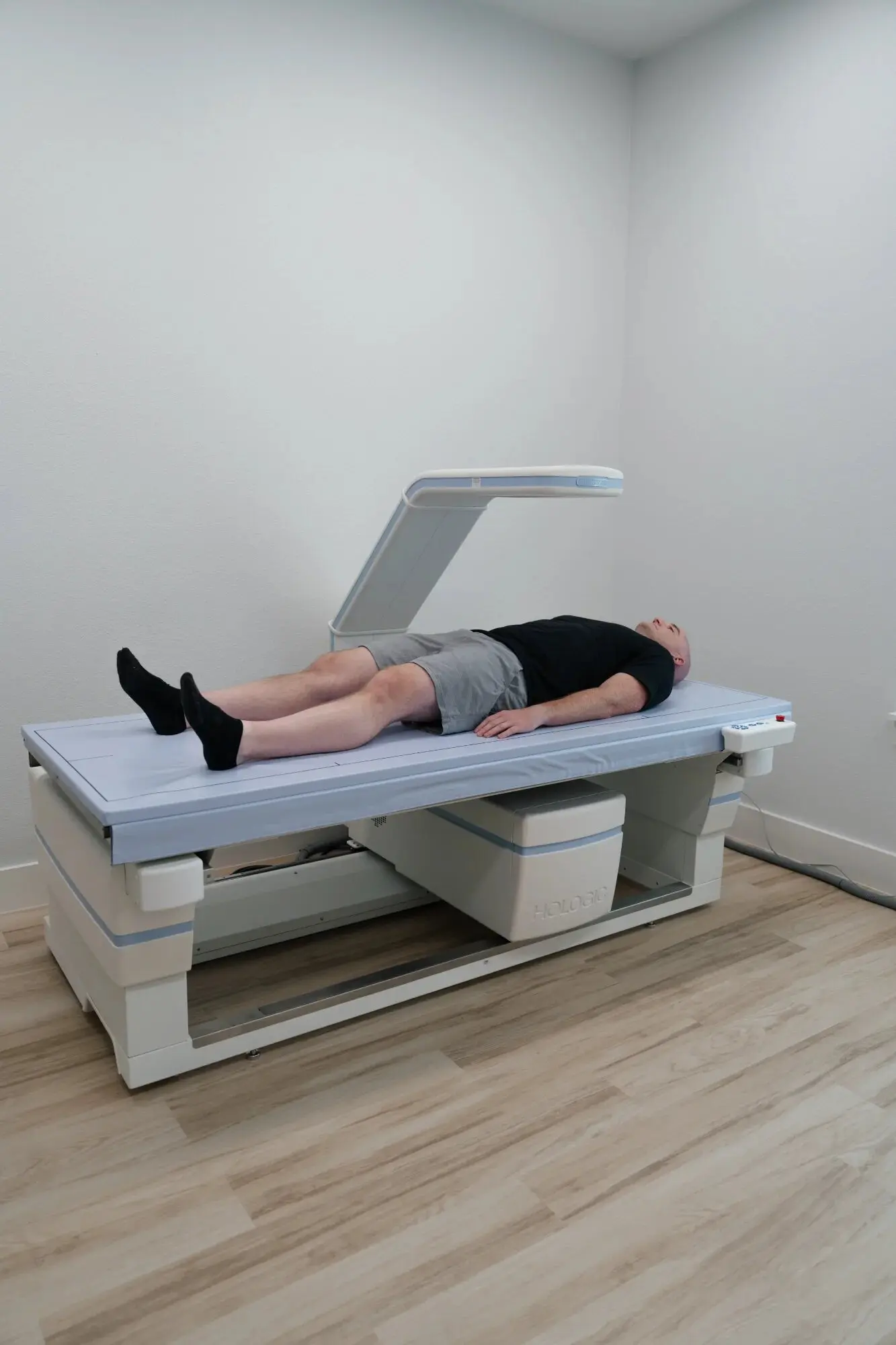
We start with DEXA body composition analysis, metabolic testing, and comprehensive labs including fasting insulin, glucose, A1C, and hormone panels. This tells us exactly what's happening in your body.
Targeted GLP-1 Therapy
Semaglutide and tirzepatide directly address insulin resistance—the root cause of PCOS weight gain. These medications reduce appetite, improve insulin sensitivity, and help break the cycle that's been holding you back.
Body Composition Tracking
We use DEXA scans to verify you're losing fat while preserving muscle. This is crucial for PCOS patients because muscle mass directly affects insulin sensitivity and long-term metabolic health.

Physician-Led PCOS Care
"PCOS weight loss isn't about trying harder—it's about treating the underlying metabolic dysfunction. When we address insulin resistance with the right tools, patients who've struggled for years finally see results. The scale moves, but more importantly, their PCOS symptoms often improve dramatically."
— Dr. Josh Lindsley, DO, DABOM
PCOS Treatment Options
Evidence-based approaches that address the root causes of PCOS weight gain.
Semaglutide (Wegovy/Ozempic)
GLP-1 Receptor AgonistThe breakthrough medication that changed obesity medicine—particularly effective for PCOS patients due to its insulin-sensitizing effects.
- Directly improves insulin resistance
- Reduces appetite and food cravings
- 15% average weight loss in trials
- Once-weekly injection
Tirzepatide (Zepbound/Mounjaro)
Dual GLP-1/GIP AgonistThe newest and most effective weight loss medication, targeting two pathways for enhanced insulin sensitivity and appetite control.
- Superior insulin sensitization
- Up to 22% weight loss in trials
- May help restore ovulation
- Once-weekly injection
DEXA Body Composition
Precision TrackingMedical-grade body composition analysis that shows exactly where you're losing fat and whether you're preserving muscle.
- ±1% accuracy for body fat
- Tracks visceral (belly) fat specifically
- Monitors muscle preservation
- 10-minute scan
Metabolic Testing (RMR)
Know Your NumbersMeasure your exact resting metabolic rate to understand how PCOS has affected your calorie burn and create precise nutrition targets.
- Exact daily calorie needs
- Identifies metabolic dysfunction
- Personalized nutrition planning
- 20-minute breath test
PCOS Weight Loss FAQs
PCOS causes insulin resistance, meaning your cells don't respond properly to insulin. Your body compensates by producing more insulin, which promotes fat storage—especially around your abdomen. This creates a vicious cycle that diet and exercise alone often can't break.
Yes, and it's particularly effective for PCOS. Semaglutide improves insulin sensitivity directly—addressing the root cause of PCOS weight gain. Studies show GLP-1 medications help women with PCOS lose significant weight, often 15% or more of body weight, while also improving other PCOS markers.
Research consistently shows that losing just 5-10% of body weight can restore ovulation, improve insulin sensitivity, reduce androgen levels, and alleviate many PCOS symptoms including irregular periods, acne, and excess hair growth. Weight loss is often the most effective treatment for PCOS.
Our primary focus is medical weight loss, but we take a comprehensive approach. We assess hormone levels, address insulin resistance (which affects all PCOS hormones), and can coordinate with your gynecologist or endocrinologist for complete PCOS management. Weight loss itself often normalizes hormones.
Semaglutide should be stopped at least 2 months before trying to conceive. However, losing weight with PCOS often restores fertility—many women find they ovulate more regularly after treatment. We'll discuss your family planning goals during your consultation.
Most patients notice reduced appetite within 1-2 weeks of starting GLP-1 medication. Visible weight loss typically becomes apparent by weeks 4-8. PCOS symptoms like irregular periods may take 2-3 months of consistent weight loss to improve.
Serving Fort Worth & Surrounding Communities
Our clinic is conveniently located in the Fort Worth Alliance area, just minutes from communities throughout the DFW metroplex.
Located at 4801 Golden Triangle Blvd Suite 121, Fort Worth, TX 76244
Ready to Break the PCOS Weight Cycle?
Book a free consultation to discuss how we can help you finally lose weight—even with PCOS working against you.