Semaglutide for Perimenopause: Stop the Weight Creep Early
In your 40s and suddenly gaining weight without changing anything? Welcome to perimenopause—where fluctuating hormones make your metabolism unpredictable. Semaglutide gives you control during the transition, before the metabolic slowdown becomes permanent.

Why Perimenopause Makes Weight Loss So Difficult
Fluctuating hormones create a metabolic environment that fights against your efforts.
Estrogen Roller Coaster
One month high, one month low. These estrogen swings affect appetite hormones, insulin sensitivity, and fat storage patterns—making weight management unpredictable.
Sleep Disruption
Hot flashes, night sweats, and insomnia are common in perimenopause. Poor sleep increases hunger hormones and makes weight loss significantly harder.
Stress and Cravings
Hormonal changes affect mood and stress response. Cortisol rises, cravings intensify, and stress eating becomes a genuine biological response—not a lack of willpower.
The Advantage of Early Intervention
Perimenopause typically lasts 4-10 years. During this time, many women gain 10-15 pounds that become increasingly difficult to lose. Starting semaglutide during perimenopause offers a significant advantage: you can prevent weight gain from accumulating rather than trying to reverse years of metabolic changes.
Women who maintain a healthy weight through perimenopause typically have an easier transition into menopause. They have better metabolic flexibility, preserve more muscle mass, and experience fewer severe symptoms.
Semaglutide stabilizes the chaos. While your hormones fluctuate, GLP-1 medication provides consistent appetite regulation and metabolic support—giving you predictable weight management during an unpredictable time.
- Prevent weight accumulation during the transition
- Consistent appetite control despite hormone swings
- Reduce insulin resistance (which worsens in perimenopause)
- Enter menopause at a healthier baseline weight
Comprehensive Care Beyond Medication
Perimenopause affects your entire system—not just your weight. At Highland Longevity, we take a comprehensive approach that addresses multiple factors contributing to perimenopausal weight gain.
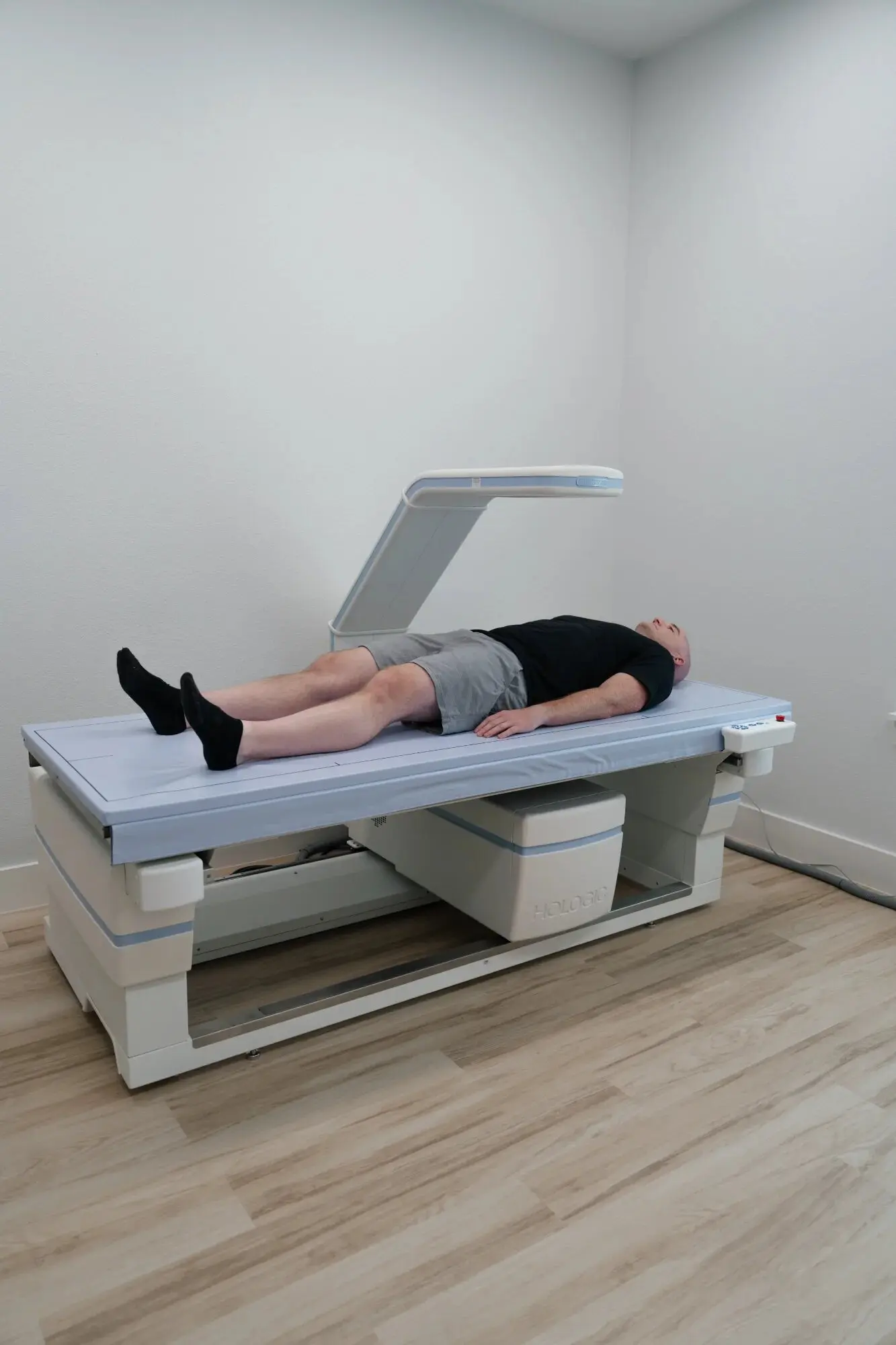
- DEXA body composition tracking to monitor fat and muscle
- Hormone testing to understand your specific patterns
- Sleep and stress assessment (often overlooked factors)
- Protein and nutrition guidance for metabolism support
- Optional HRT discussion if symptoms warrant
Many women find that addressing weight with semaglutide also improves other perimenopausal symptoms—better sleep, more stable mood, and increased energy as the burden of excess weight decreases.


Don't Wait Until Menopause to Address Weight
"I see many women who waited until after menopause to address their weight—by then they've gained 15-20 pounds and their metabolism has permanently slowed. Perimenopause is actually the ideal window for intervention. If we can help you maintain weight through the transition, you enter menopause in a much stronger metabolic position."
— Dr. Josh Lindsley, DO, DABOM
Semaglutide for Perimenopause FAQs
Perimenopause typically begins in your early to mid-40s, sometimes earlier. During this phase, estrogen and progesterone levels fluctuate unpredictably. These hormonal swings affect your metabolism, appetite hormones, and where your body stores fat—even if your diet and exercise haven't changed.
Yes. Perimenopausal weight gain often happens despite maintaining previous habits. It tends to concentrate around the midsection, comes with increased cravings and hunger, and is accompanied by other symptoms like sleep disruption and mood changes that make weight management even harder.
Absolutely. Perimenopause is defined by hormonal fluctuations, not the absence of periods. Semaglutide works independently of your reproductive hormones, so it's effective whether you're having regular periods, irregular periods, or no periods at all.
Semaglutide doesn't directly affect estrogen or progesterone levels. It works through GLP-1 receptors to regulate appetite and blood sugar. However, weight loss itself can improve hormonal balance, and some women find their perimenopausal symptoms improve as they lose excess weight.
Common signs include irregular periods, sleep disturbances, hot flashes, mood changes, and unexplained weight gain—especially around the midsection. If you're in your 40s (sometimes late 30s) and experiencing these symptoms, you're likely in perimenopause. Hormone testing can confirm, but it's often diagnosed based on symptoms and age.
No—this is actually backward thinking. Addressing weight during perimenopause is easier than after menopause, when metabolic changes become more permanent. The 4-10 year perimenopausal window is ideal for intervention because your metabolism still has some flexibility.
Serving Fort Worth & Surrounding Communities
Our clinic is conveniently located in the Fort Worth Alliance area, just minutes from communities throughout the DFW metroplex.
Located at 4801 Golden Triangle Blvd Suite 121, Fort Worth, TX 76244
Take Control Before Menopause Arrives
Book a free consultation to discuss how semaglutide can help you manage weight during the perimenopausal transition—before the metabolic changes become permanent.