Semaglutide for PCOS: Treating the Root Cause
PCOS isn't just a weight problem—it's an insulin resistance problem. Semaglutide works because it directly addresses insulin sensitivity, making it one of the most effective treatments available for PCOS-related weight gain. Finally, a medication that works WITH your biology.

Why Semaglutide Works So Well for PCOS
GLP-1 medications address the metabolic dysfunction at the heart of PCOS.
Targets Insulin Resistance
Semaglutide improves how your cells respond to insulin—directly addressing the metabolic driver of PCOS weight gain, not just the symptoms.
Reduces Belly Fat
PCOS causes stubborn abdominal fat. GLP-1s are particularly effective at reducing visceral (belly) fat—the most dangerous and most frustrating type.
Controls Cravings
PCOS creates intense carb cravings due to insulin dysfunction. Semaglutide dramatically reduces these cravings, making healthy eating actually achievable.
The Science Behind GLP-1s and PCOS
Women with PCOS have been told for decades to "just eat less and exercise more." But when your cells are resistant to insulin, your body fights back—storing fat instead of burning it, no matter how hard you try.
Semaglutide (and its cousin tirzepatide) work on multiple fronts: they improve insulin sensitivity at the cellular level, reduce appetite through brain signaling, slow gastric emptying so you feel full longer, and help break the vicious cycle of insulin resistance → weight gain → more insulin resistance.
Research shows women with PCOS on GLP-1 medications typically lose 10-15% of body weight, with some losing over 20%. More importantly, many see improvement in other PCOS symptoms as the weight comes off.
- Improves insulin sensitivity at the cellular level
- Reduces appetite and food noise
- Targets visceral (belly) fat specifically
- Often improves other PCOS symptoms
Beyond Weight Loss: PCOS Symptom Improvement
Losing weight with PCOS doesn't just improve how you look—it can improve the entire syndrome. Research consistently shows that losing just 5-10% of body weight can:
- Restore ovulation and improve fertility
- Reduce androgen levels (less acne, excess hair)
- Regulate menstrual cycles
- Improve metabolic markers (A1C, cholesterol)
- Lower inflammation throughout the body
Because semaglutide addresses insulin resistance directly, many women see these improvements even before reaching their goal weight. The medication treats PCOS as a metabolic condition, not just a weight issue.


PCOS Requires the Right Approach
"Women with PCOS have often been dismissed or blamed for their weight. But insulin resistance is real, and it makes weight loss through diet alone nearly impossible. Semaglutide finally gives us a tool that matches the biology. When we address insulin resistance directly, women who've struggled for years finally see results."
— Dr. Josh Lindsley, DO, DABOM
Semaglutide for PCOS FAQs
PCOS is fundamentally an insulin resistance condition—and semaglutide directly improves insulin sensitivity. While other women may take GLP-1s primarily for appetite reduction, women with PCOS get a double benefit: reduced hunger AND improvement in the underlying metabolic dysfunction driving their weight gain.
Yes. Because weight loss improves insulin sensitivity, many PCOS symptoms improve as well: more regular periods, reduced androgen levels (less acne, hirsutism), improved fertility, and better metabolic markers. Losing just 5-10% of body weight often produces significant symptom improvement.
Semaglutide should be stopped at least 2 months before trying to conceive. However, losing weight often restores ovulation and improves fertility in women with PCOS. Many women become more fertile after weight loss—which is actually a reason to have reliable contraception while on semaglutide if pregnancy is not desired.
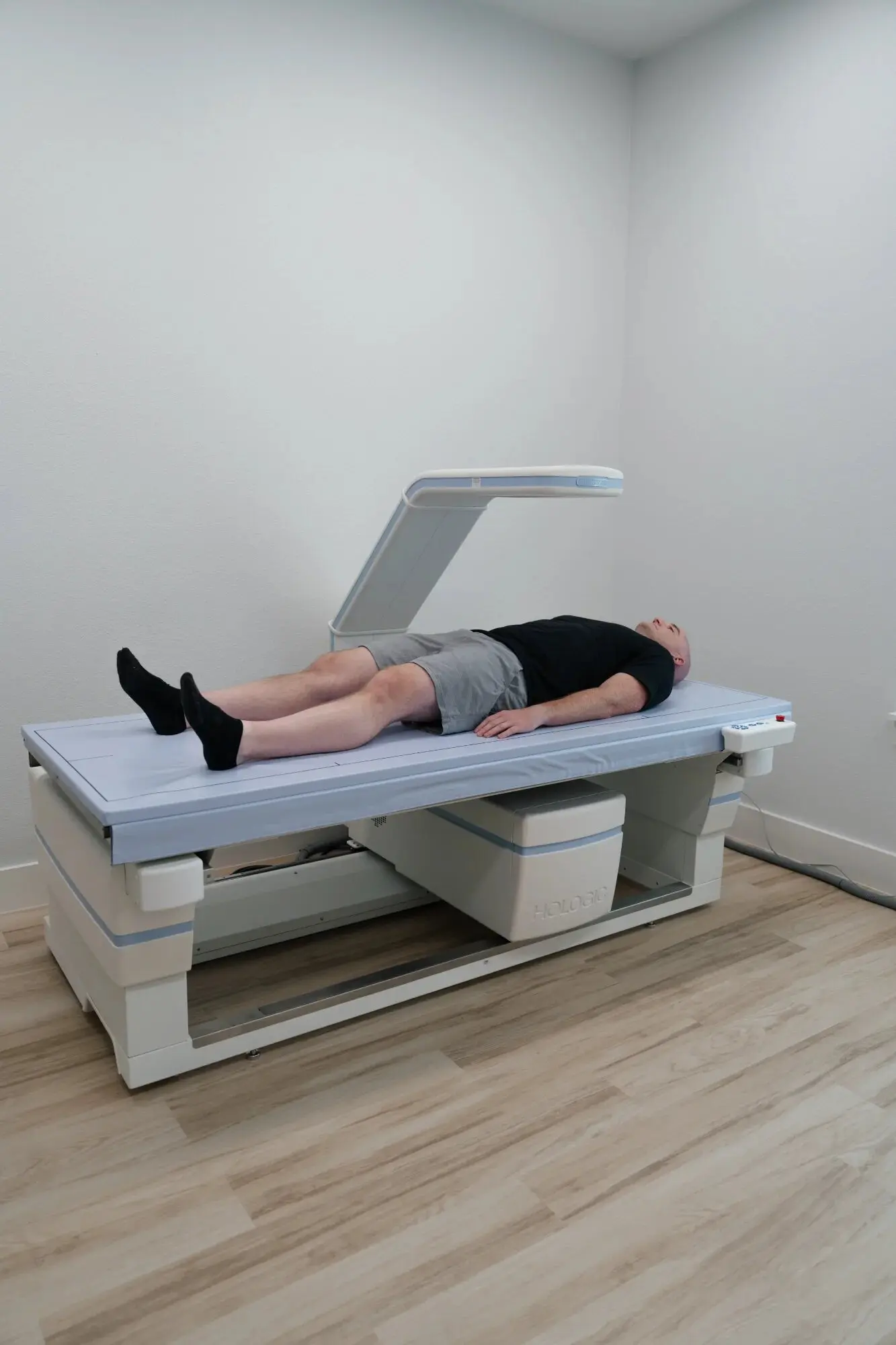
Studies show women with PCOS on GLP-1 medications typically lose 10-15% of body weight, with some losing 20% or more. Results vary based on starting weight, dose, and individual response. We track progress with DEXA scans to ensure you're losing fat while preserving muscle.
Both are effective for PCOS. Tirzepatide (a dual GIP/GLP-1) may produce slightly more weight loss on average, but semaglutide has more long-term data. We'll discuss which might be better for your specific situation during your consultation. Both address insulin resistance.
Weight regain is possible if underlying insulin resistance isn't addressed. That's why we focus on comprehensive treatment: the medication jumpstarts weight loss, while lifestyle changes and metabolic improvements help maintain results. Some patients eventually reduce or stop medication; others maintain on low doses long-term.
Serving Fort Worth & Surrounding Communities
Our clinic is conveniently located in the Fort Worth Alliance area, just minutes from communities throughout the DFW metroplex.
Located at 4801 Golden Triangle Blvd Suite 121, Fort Worth, TX 76244
Ready for a Treatment That Understands PCOS?
Book a free consultation to discuss how semaglutide can help you finally lose weight—by addressing the insulin resistance driving your symptoms.