Peptide Therapy: The Science of Cellular Optimization
Peptides are signaling molecules that tell your body what to do—heal tissue, release growth hormone, boost immunity, or sharpen cognition. At Highland Longevity, we use physician-supervised peptide protocols for anti-aging, injury recovery, cognitive enhancement, immune support, and body composition optimization.
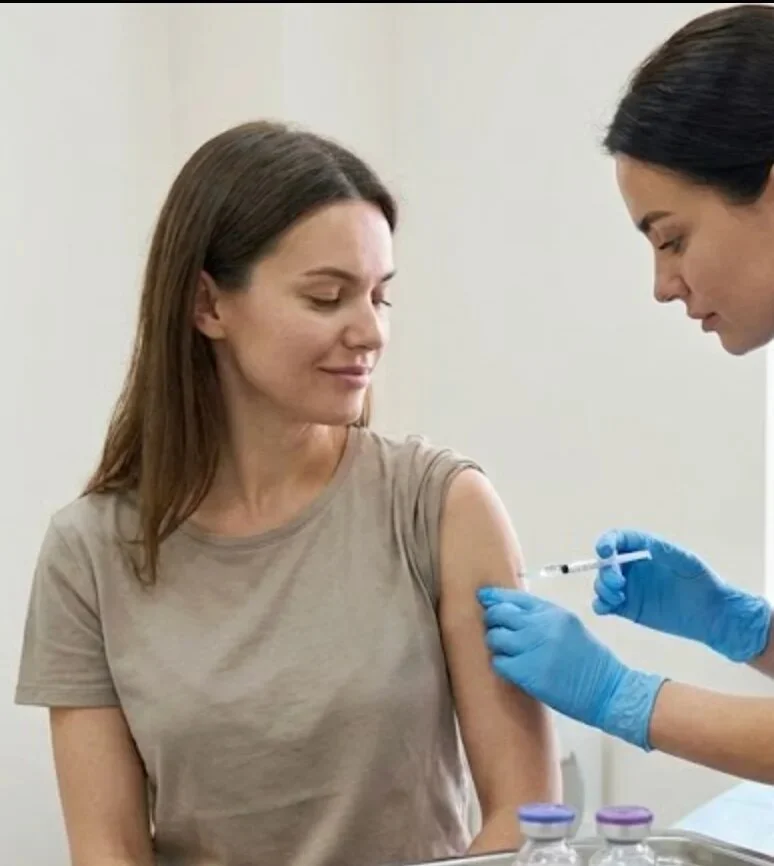

"Peptides aren't magic—they're targeted cell signaling. The key is matching the right peptide to the right goal, with proper dosing and medical oversight."
— Dr. Josh Lindsley, DO, DABOM · Board-Certified Obesity Medicine
What Are Peptides?
Short chains of amino acids that act as messengers in your body, telling cells what to do.
Peptides are small proteins—typically 2-50 amino acids—that your body uses as signaling molecules. Unlike hormones that circulate broadly, peptides deliver specific instructions to targeted cells.
Think of them as text messages to your cells: "Release growth hormone," "Repair this tendon," "Modulate the immune response." Different peptides carry different messages.
How are they different from steroids? Peptides signal your body to produce its own hormones naturally. Anabolic steroids introduce synthetic hormones that suppress your natural production. Peptides work with your biology; steroids work instead of it.
Why Physician Supervision Matters
- ✓ Purity & potency verified from 503A/503B pharmacies
- ✓ Proper dosing based on your goals and labs
- ✓ Contraindication screening to avoid interactions
- ✓ Progress monitoring with labs and follow-ups
Peptide Categories We Offer
Different peptides for different goals. We match the right protocol to your specific needs.
Anti-Aging & Longevity
CJC-1295, Ipamorelin, Sermorelin
Growth hormone optimization for sleep quality, skin
elasticity, energy, and body composition.
Recovery & Healing
BPC-157, TB-500
Tissue repair, tendon healing, gut health, and accelerated recovery
from injury or surgery.
Cognitive & Focus
Semax, Selank
Mental clarity, neuroprotection, memory support, and stress resilience.
Immune Support
Thymosin Alpha-1
Immune modulation, chronic infection support, and enhanced immune
response.
Body Composition
Tesamorelin, AOD-9604
Targeted fat loss, visceral fat reduction, and muscle
preservation during weight loss.
Sexual Wellness
PT-141
Libido enhancement for both men and women, working through central nervous
system pathways.
Popular Peptide Protocols
Deep-dive into the most commonly prescribed peptides at Highland Longevity.
BPC-157
The "body protection compound" derived from gastric juice proteins. Supports tissue repair throughout the body.
- Gut lining repair (leaky gut, IBS)
- Tendon and ligament healing
- Muscle injury recovery
- May support nerve healing
Sermorelin & GH Secretagogues
Sermorelin, CJC-1295, and Ipamorelin signal your pituitary to release growth hormone naturally.
- Improved sleep quality and REM
- Enhanced body composition
- Skin elasticity and collagen
- Energy and recovery
Thymosin Alpha-1
An immune-modulating peptide that enhances T-cell function and immune surveillance.
- Chronic infection support
- Post-viral recovery
- Immune system optimization
- Pairs with Immune Boost IV
Who We Help
From competitive athletes to weekend warriors to busy professionals who refuse to slow down.
Competitive Athletes
Serious athletes dealing with overuse injuries who need to get back to training without compromising long-term health.
- Overuse injuries from intense training
- Return-to-play optimization
- Injury prevention protocols
- Pairs with Athletic Recovery IV
Weekend Warriors
Active adults who refuse to give up their golf game, tennis matches, or CrossFit workouts—but their bodies aren't recovering like they used to.
- Chronic tendonitis that won't resolve
- Joint pain limiting activity
- Faster recovery between workouts
- Often pairs well with hormone optimization
Active Parents
Parents who want to stay active enough to coach their kids' teams, play with them in the backyard, and model healthy habits.
- Nagging injuries from "dad/mom duties"
- Recovery from recreational sports
- Maintaining mobility and function
- Setting example for kids' health
How Therapeutic Peptide Recovery Works
Therapeutic peptides and bioactive peptides are cell signaling molecules that tell your body to activate specific repair mechanisms. This approach is part of regenerative medicine—unlike pain medications that mask symptoms or cortisone that reduces inflammation temporarily, peptide therapy aims to support actual wound healing and tissue repair.
Different peptides target different aspects of recovery—collagen peptides support connective tissue repair, while others promote blood vessel formation or immune modulation. Peptide injections are administered based on your specific injury, with protocols designed for your recovery goals.
-
1
Injury Assessment
We review your injury history, imaging, and what treatments you've tried. Understanding what hasn't worked helps us recommend what might.
-
2
Protocol Design
Based on your specific injury and goals, we design a peptide protocol from FDA-approved sources or reputable compounding pharmacies.
-
3
Treatment & Monitoring
We teach proper administration, coordinate with your PT or orthopedist if appropriate, and monitor your progress throughout treatment.

A Different Approach to Recovery
Peptide therapy isn't about masking symptoms—it's about supporting actual tissue repair.
Traditional Approach
- Cortisone shots that weaken tendons over time
- NSAIDs that reduce inflammation but slow healing
- Pain meds that mask the problem
- Waiting months hoping it heals on its own
- Surgery as only remaining option
Peptide Approach
- Signals tissue repair mechanisms
- Supports collagen synthesis
- Works alongside PT, not instead of it
- Accelerates natural healing timeline
- Non-surgical intervention option
Common Questions
Can peptides help with tendonitis that won't heal?
Certain peptides have shown promise in supporting tendon healing by signaling your body's repair mechanisms. They're often used alongside physical therapy for stubborn conditions like tennis elbow, Achilles tendonitis, and patellar tendonitis that haven't responded to rest and conventional treatment.
How are your peptides different from what I see online?
Online peptides sold as "research chemicals" have no quality control, no purity testing, and have been found to contain contaminants or completely different compounds than labeled. We only use peptides from FDA-regulated 503A and 503B compounding pharmacies with verified purity and potency.
How do peptides compare to cortisone shots?
Cortisone reduces inflammation but doesn't promote actual healing—and repeated injections can weaken tendons over time. Peptide therapy aims to support the repair and regeneration process itself. Many patients come to us after cortisone has stopped providing relief, looking for a different approach.
Where is Highland Longevity located?
We're located at 4801 Golden Triangle Blvd in Fort Worth (76244), right off 114/170 in the Alliance corridor. We're easily accessible from Keller, Southlake, Roanoke, Trophy Club, and the surrounding areas.
Ready to Optimize Your Biology?
Schedule a peptide consultation to discuss your goals and determine which protocols might help you.
Peptide Therapy Near You
Serving the DFW metroplex from our Fort Worth clinic. Easily accessible from these surrounding communities.
Medical References & Guidelines
- Bhasin, S., et al. (2018). Testosterone Therapy in Men With Hypogonadism: An Endocrine Society Clinical Practice Guideline. Journal of Clinical Endocrinology & Metabolism.
- Sikiric, P., et al. (2018). Brain-gut axis and pentadecapeptide BPC 157. Current Neuropharmacology.
- Teichman, S. L., et al. (2006). Prolonged stimulation of growth hormone (GH) and insulin-like growth factor I secretion by CJC-1295. Journal of Clinical Endocrinology & Metabolism.