Erectile Dysfunction: Finding the Real Cause
A pill might work, but it doesn't tell you why you need it. ED is often your body's early warning signal—of low testosterone, cardiovascular disease, or other treatable conditions. We find what's actually wrong and fix it.

What's Really Causing Your ED?
Erectile dysfunction is rarely random—it's usually a symptom of something else.
Low Testosterone
20-40% of ED cases involve low T. Testosterone affects libido and the physical mechanisms of erection. Often overlooked in ED evaluations.
Cardiovascular Issues
The same plaque that clogs heart arteries affects penile blood flow first. ED can precede a heart attack by 3-5 years.
Diabetes/Insulin Resistance
High blood sugar damages blood vessels and nerves. Men with diabetes are 3x more likely to develop ED.
Medication Side Effects
Blood pressure meds, antidepressants, and other common prescriptions can cause or worsen ED as a side effect.
ED as an Early Warning
Here's something most men don't know: the blood vessels in your penis are smaller than those in your heart. When cardiovascular disease starts narrowing arteries, the small vessels are affected first. That's why ED often shows up years before a heart attack or stroke.
This makes ED evaluation more than a quality-of-life issue—it's an opportunity to catch serious health problems early. We don't just want to help you perform; we want to make sure nothing dangerous is developing silently.
The same applies to hormones. Low testosterone doesn't just affect erections—it increases cardiovascular risk, metabolic dysfunction, and cognitive decline. Addressing ED properly means looking at the whole picture.
- ED can precede heart disease by 3-5 years
- 40% of men over 40 have some degree of ED
- Low testosterone affects multiple body systems
- Many causes are highly treatable once identified
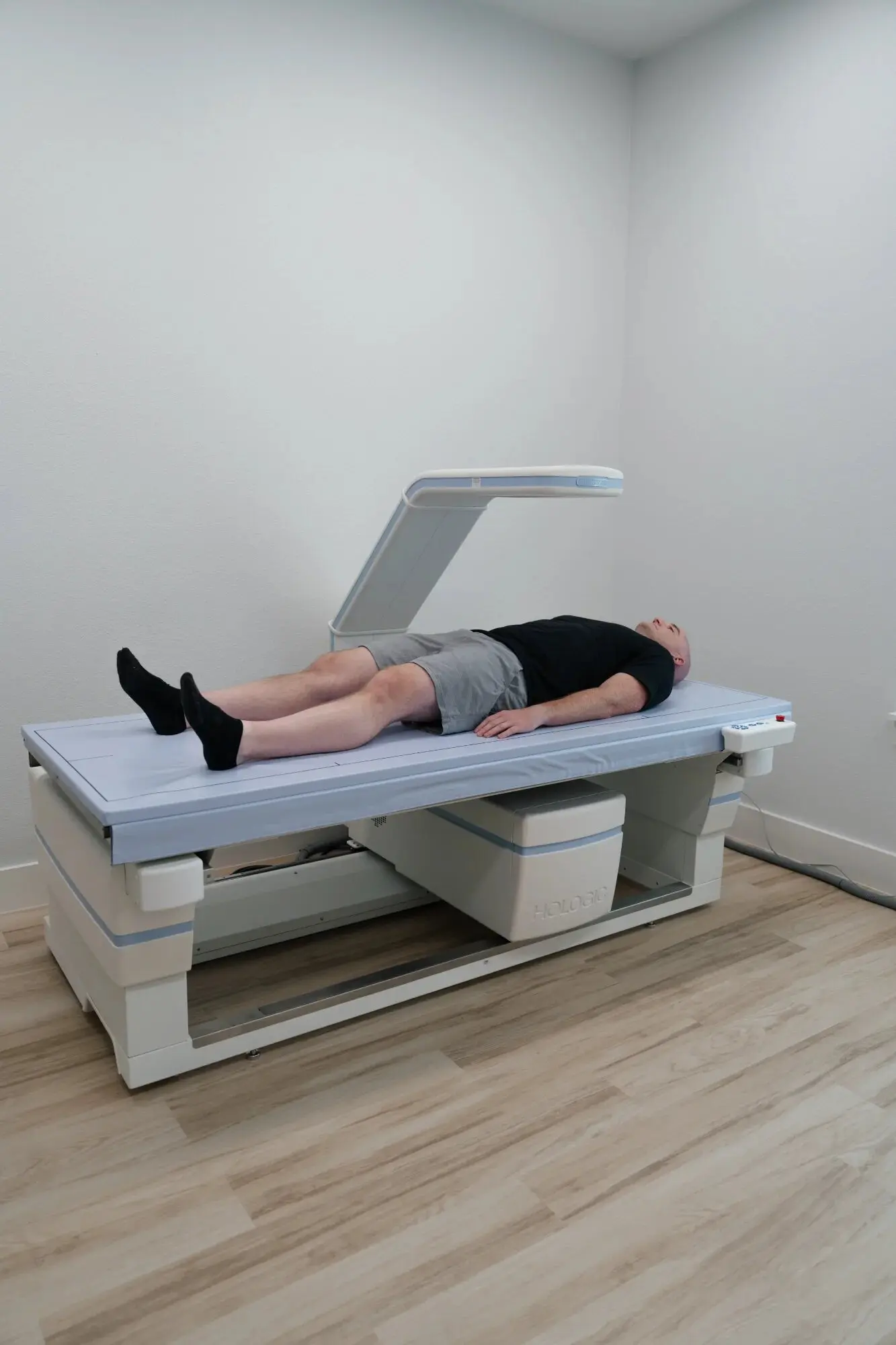
Our Diagnostic Approach
We don't just prescribe—we investigate.
Comprehensive History
We discuss your symptoms, medical history, medications, and lifestyle in a confidential, judgment-free setting. Understanding the pattern helps identify the cause.
Targeted Testing
Complete hormone panels, cardiovascular markers, metabolic assessment, and other relevant labs. We're looking for what's driving the problem, not just confirming ED exists.
Root Cause Treatment
Based on findings, we create a treatment plan that addresses underlying causes—not just symptoms. This might include hormone optimization, cardiovascular risk reduction, and/or medications.

A Direct, Practical Approach
"Men often put off talking about ED because it feels embarrassing. But it's one of the most important health conversations you can have. ED tells us something is happening in your body—whether that's hormonal decline, cardiovascular changes, or something else entirely. Finding the cause is the key to effective treatment."
— Dr. Josh Lindsley, DO, DABOM
Treatment Options
Multiple approaches based on what's actually causing your ED.
Testosterone Optimization
When Hormones Are the IssueIf low testosterone is contributing to ED, optimizing hormone levels often improves both libido and erectile function—sometimes eliminating the need for other medications.
- Addresses root hormonal cause
- Improves libido alongside function
- Benefits extend beyond sexual health
- Regular monitoring included
PDE5 Inhibitors
Viagra, Cialis & SimilarThese medications work well for many men. We prescribe them when appropriate—but always alongside investigation into why you need them.
- On-demand or daily options
- High effectiveness rate
- Works with hormone therapy
- Multiple options to find what works
Cardiovascular Assessment
Heart Health ScreenED can be the first sign of cardiovascular disease. We assess your heart health as part of ED evaluation—potentially catching problems early.
- Lipid panels and inflammatory markers
- Blood pressure optimization
- Diabetes/pre-diabetes screening
- Referral if needed
Weight Loss
When Excess Weight Is a FactorExcess weight worsens ED through multiple mechanisms: low testosterone, diabetes risk, cardiovascular strain. Losing weight often improves erectile function significantly.
- Weight loss often improves ED directly
- Boosts natural testosterone
- Improves cardiovascular health
- GLP-1 medications available
Erectile Dysfunction FAQs
ED has multiple potential causes: low testosterone (often overlooked), cardiovascular disease affecting blood flow, diabetes damaging nerves and vessels, medication side effects, psychological factors, or a combination. We investigate all possibilities to find your specific cause, because effective treatment depends on identifying the root issue.
Not always, but low T is a major contributor that's often missed. About 20-40% of men with ED have low testosterone. Even when testosterone isn't the primary cause, optimizing levels often improves response to other treatments. That's why we always check hormones as part of any ED evaluation.
ED can precede cardiovascular events by 3-5 years because the smaller penile blood vessels are affected by atherosclerosis before the larger coronary arteries. This doesn't mean you have heart disease, but it does mean a cardiovascular assessment is worthwhile. Think of ED as an opportunity for early detection.
We can prescribe PDE5 inhibitors like Viagra or Cialis when appropriate—they work well for many men. But we don't just write a prescription and send you home. We investigate why you have ED, because understanding the cause often leads to better, more lasting solutions than pills alone.
If low testosterone is contributing to your ED, optimization often helps significantly—improving both desire and function. Even when testosterone isn't the primary cause, restoring optimal levels often makes other treatments (like PDE5 inhibitors) work better. Testing tells us whether this applies to you.
Completely. Your visit looks like any other medical appointment. Our office is designed for privacy, and we understand this is a sensitive topic. Many men are more comfortable than they expected once they realize how clinical and matter-of-fact the conversation is.
Ready to Find Out What's Really Going On?
Book a confidential consultation to discuss your symptoms and determine the best path forward.