Andropause: Yes, Male Menopause Is Real
You're not imagining it. The gradual decline in energy, the stubborn belly fat, the foggy thinking, the disappearing drive—it's not just aging. It's hormonal decline. And unlike what you've been told, you don't have to accept it as inevitable.

The Signs of Andropause
Unlike female menopause, these changes happen gradually—making them easy to dismiss as "just getting older."
Declining Energy
Not the fatigue from a hard day—a baseline reduction in vitality that coffee can't fix. Everything takes more effort.
Mental Fog
The sharpness you once had is fading. Names escape you. Complex tasks feel harder. Focus comes and goes.
Body Composition Changes
Fat accumulating around your middle while muscle seems to vanish—even with the same diet and exercise.
Reduced Libido
Interest in intimacy declining. It's not about opportunity—the desire itself has diminished.
Mood Changes
More irritable, less patient. Maybe even depressed. You don't feel like the man you used to be.
Sleep Disturbances
Trouble falling asleep, staying asleep, or waking unrefreshed. The restorative sleep of youth is gone.
Understanding Andropause
While women experience menopause as a relatively sudden hormonal shift, men experience andropause as a gradual decline. Testosterone drops about 1-2% per year starting around age 30. By 50, you may have lost 20-40% of your peak testosterone. By 70, levels can be half what they were at 25.
But testosterone isn't the only player. DHEA, growth hormone, and thyroid function also decline. These cumulative losses create the cluster of symptoms we call andropause—or more clinically, late-onset hypogonadism.
The gradual nature is what makes it insidious. You adapt. You lower your expectations. You tell yourself this is just aging. But it doesn't have to be. Hormone optimization can restore much of what's been lost.
- Testosterone drops 1-2% per year after 30
- By 50, many men have lost 20-40% of peak levels
- Multiple hormones decline simultaneously
- Symptoms are treatable, not inevitable
Our Andropause Treatment Approach
Comprehensive assessment and personalized treatment—not a one-size-fits-all protocol.
Comprehensive Testing
Complete hormone panels including testosterone, thyroid, DHEA, estradiol, and metabolic markers. We measure everything that could be contributing to your symptoms.
Personalized Optimization
Based on your labs and symptoms, we create an individualized treatment plan. This might include TRT, thyroid optimization, lifestyle interventions, or a combination.
Ongoing Monitoring
Hormone optimization isn't set-and-forget. We monitor your levels and symptoms regularly, adjusting treatment to maintain optimal results over time.

Treating the Whole Picture
"Andropause isn't just about testosterone—though that's often a key piece. It's about understanding how all your hormones work together and optimizing the whole system. When we get it right, men don't just feel better—they feel like themselves again. That's what we're working toward."
— Dr. Josh Lindsley, DO, DABOM
Treatment Options
Multiple approaches tailored to your specific hormonal needs.
Testosterone Replacement
TRT TherapyThe cornerstone of andropause treatment for many men. Restores testosterone to optimal levels, addressing the primary driver of symptoms.
- Weekly injections or daily cream
- Restores energy, libido, mental clarity
- Improves body composition
- Regular monitoring included
Thyroid Optimization
Complete Thyroid CareThyroid function declines with age too, and symptoms overlap with low testosterone. We assess and optimize thyroid when needed.
- Complete thyroid panels (not just TSH)
- Optimization if suboptimal
- Addresses fatigue, metabolism, brain fog
- Complements testosterone therapy
Body Composition
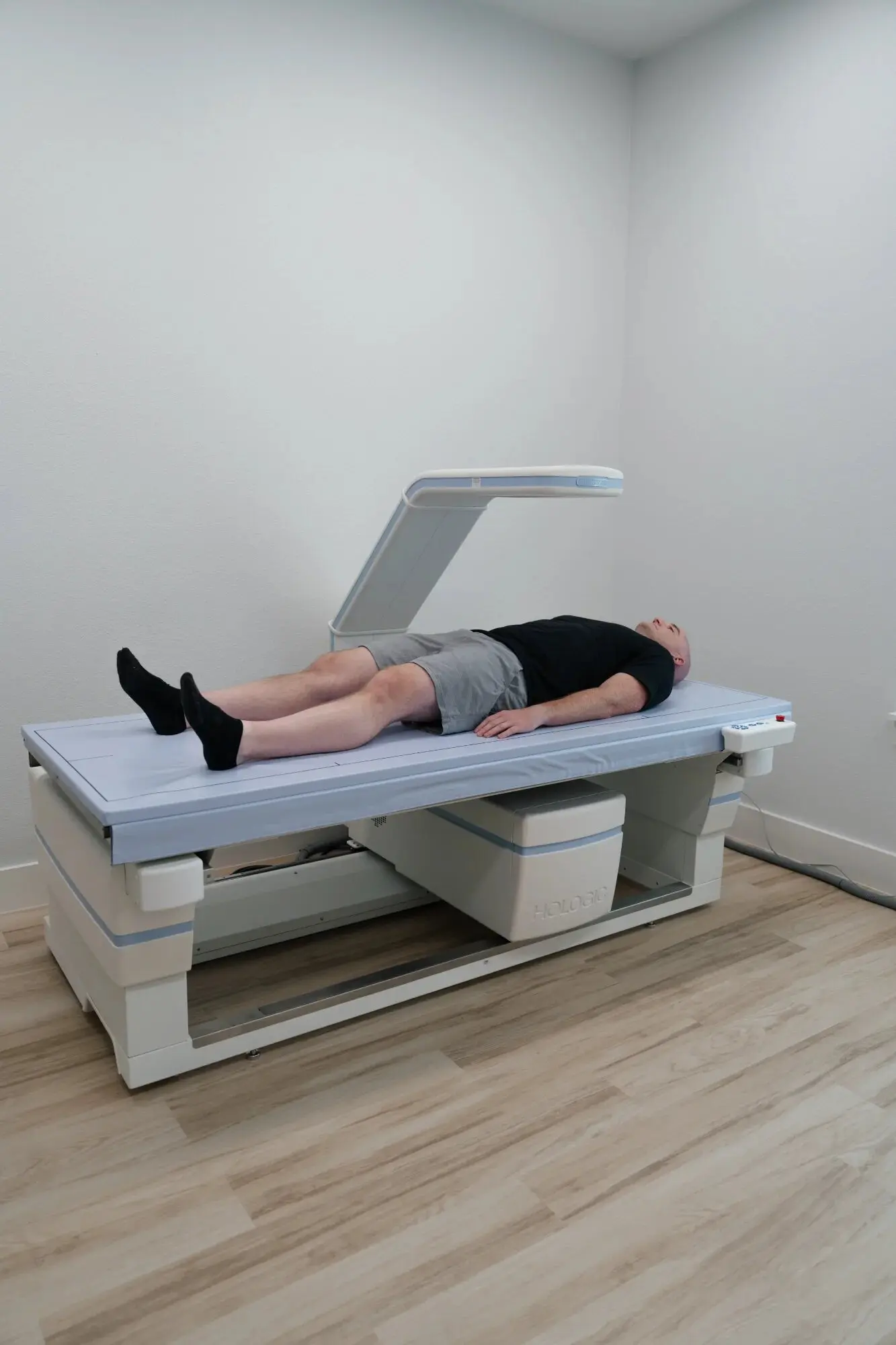
DEXA + Weight LossExcess body fat suppresses testosterone and worsens symptoms. We can address weight directly with GLP-1 medications alongside hormone optimization.
- DEXA body composition tracking
- GLP-1 medications if appropriate
- Synergizes with hormone therapy
- Improves metabolic health
Peptide Therapy
Advanced OptimizationFor men seeking additional optimization, peptides can support growth hormone, recovery, and overall vitality beyond testosterone alone.
- Growth hormone support
- Improved recovery and sleep
- Enhanced body composition
- Complements TRT
Andropause FAQs
Yes, though technically different from female menopause. While women experience a rapid hormonal drop, men experience a gradual decline (1-2% per year) in testosterone and other hormones starting around age 30. By 50-60, this can cause significant symptoms. Medical terms include andropause, late-onset hypogonadism, or testosterone deficiency syndrome.
Testosterone begins declining around age 30, but noticeable symptoms typically emerge in the 40s or 50s. Some men maintain adequate hormone levels into their 70s, while others become significantly deficient in their 40s. Factors like obesity, chronic stress, poor sleep, and underlying health conditions can accelerate the decline.
They're related but not identical. Normal aging includes some decline, but andropause describes when hormonal decline causes specific symptoms that impair quality of life. The key difference: normal aging shouldn't leave you exhausted, depressed, or unable to maintain muscle. When that happens, it's worth investigating treatable hormone deficiency.
Many symptoms can be significantly improved with hormone optimization. Energy, libido, mental clarity, and body composition typically respond well to treatment. Some effects of prolonged deficiency (like bone density loss) may not fully reverse but can be stabilized. The earlier you address symptoms, the better the outcomes.
When properly prescribed and monitored, TRT is safe for most men. We screen for contraindications, monitor blood counts and PSA regularly, and adjust dosing as needed. Long-term studies show benefits for quality of life, body composition, and potentially cardiovascular health—though ongoing monitoring is essential.
"Normal" is a wide range based on population averages—including unhealthy and elderly men. A level of 350 ng/dL might be "normal" but could represent a significant drop from your personal peak. We look at symptoms alongside lab values and consider your optimal range, not just whether you fall within a statistical average.
Ready to Feel Like Yourself Again?
Book a free consultation to discuss whether hormone optimization could help restore your energy, clarity, and vitality.